"Buy Now Pay Later (BNPL) has become the hottest trend in payments, letting you shop instantly and pay in easy installments. But is it a smart money move or a hidden debt trap? Discover how BNPL works, its advantages, risks, and what it means for the future of shopping."
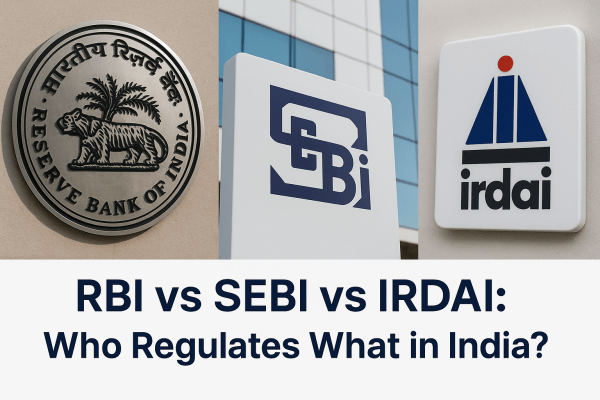
RBI vs SEBI vs IRDAI: Who Regulates What in India?
Ever wondered who keeps India's banks, stock markets, and insurance companies in check? Dive into this comprehensive guide to understand the distinct roles of the RBI, SEBI, and IRDAI – India's financial guardians – ensuring your money is safe and the system runs smoothly. Get clarity on who regulates what and why it matters for every Indian citizen!
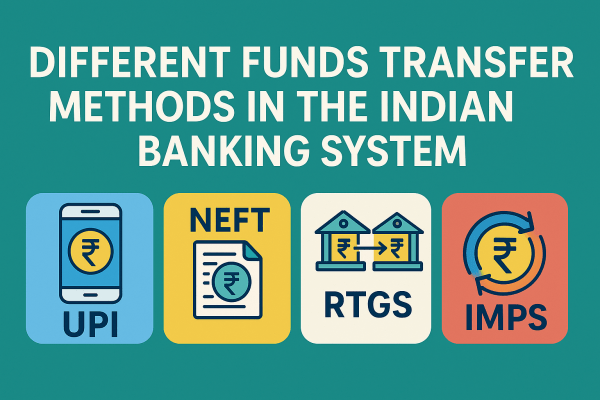
NEFT vs RTGS vs UPI: Which Payment Mode Is Right for You?
From NEFT and RTGS to UPI and IMPS, India’s banking system offers a variety of fund transfer methods suited for every need—from ₹10 mobile payments to ₹10 lakh real estate deals. Whether you’re a student, entrepreneur, or homemaker, choosing the right mode can save you time, money, and effort. This blog explains all major Indian fund transfer systems with examples, use cases, and tips for safe digital banking.
Bank Charges Decoded: What Are You Really Paying For?
Tired of hidden charges and unexplained deductions from your bank account? You’re not alone. From ATM withdrawals to SMS alerts, banks often levy fees that go unnoticed—until they hit your balance. This blog decodes every common bank charge so you finally know qwhat you’re paying for and how to avoid unnecessary costs.
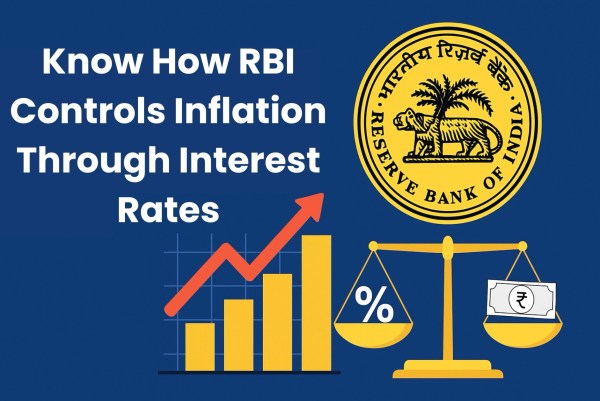
How RBI Controls Inflation Using Interest Rates – A Beginner’s Guide
Ever wondered how the Reserve Bank of India (RBI) keeps inflation under control? From setting repo rates to influencing how much interest you pay on loans, RBI plays a silent yet powerful role in shaping your monthly budget. This blog breaks down how RBI uses interest rates to balance inflation and growth in a way even non-finance readers can understand.
India’s Banking Crisis: How Bad Loans Broke the Backbone of Indian Banks?
India’s banking sector has weathered many storms, but none as crippling as the menace of bad loans. Over the last decade, the toxic combination of easy credit, corporate fraud, and regulatory gaps led to a full-blown crisis. In this blog, let’s uncover how bad loans nearly broke the backbone of Indian banking and highlight the most high-profile business NPAs that exposed the fault lines in our financial system.
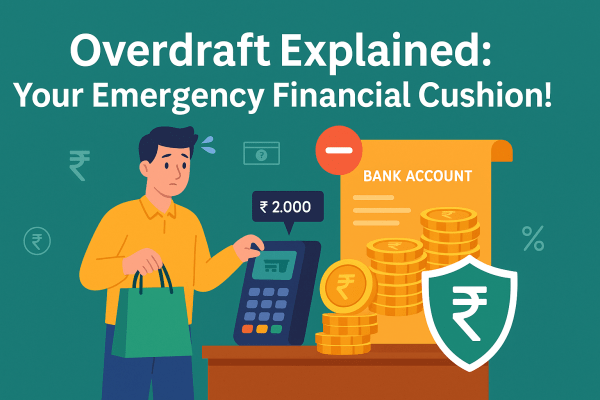
Overdraft Explained: Your Financial Safety Net for Emergency Expenses
Need instant cash but your bank balance says no? An overdraft can be your financial lifesaver in emergencies. Learn how this flexible credit facility works, the types of overdrafts, pros and cons, and when you should use it. A must-read for anyone looking to manage sudden expenses smartly!
Digital Rupee (e₹): Changing the Way India Uses Money
Discover how India’s Digital Rupee (e₹) is reshaping the future of money. Backed by the RBI, this secure and cashless currency is designed for fast, direct payments—no banks, no delays. Learn how digital money works and why it’s a game-changer for everyday transactions across India.
Monetary Policy Made Simple
Buying a home is a dream for many, but did you know your EMI can change because of RBI’s decisions? Through Avni’s real-life story, learn how monetary policy, repo rates, and RBI’s interest rate changes directly impact your finances. This easy guide breaks down complex economic concepts into simple, relatable insights for everyone.
Understanding Repo Rate
Have you ever wondered how the Reserve Bank of India (RBI) controls inflation or manages money in the economy? One important tool it uses is called the Repo Rate. Don’t worry if it sounds complicated – in this article, we’ll break it down into simple words so anyone can understand!