09th September 2025, Gaurav Kumar Singh
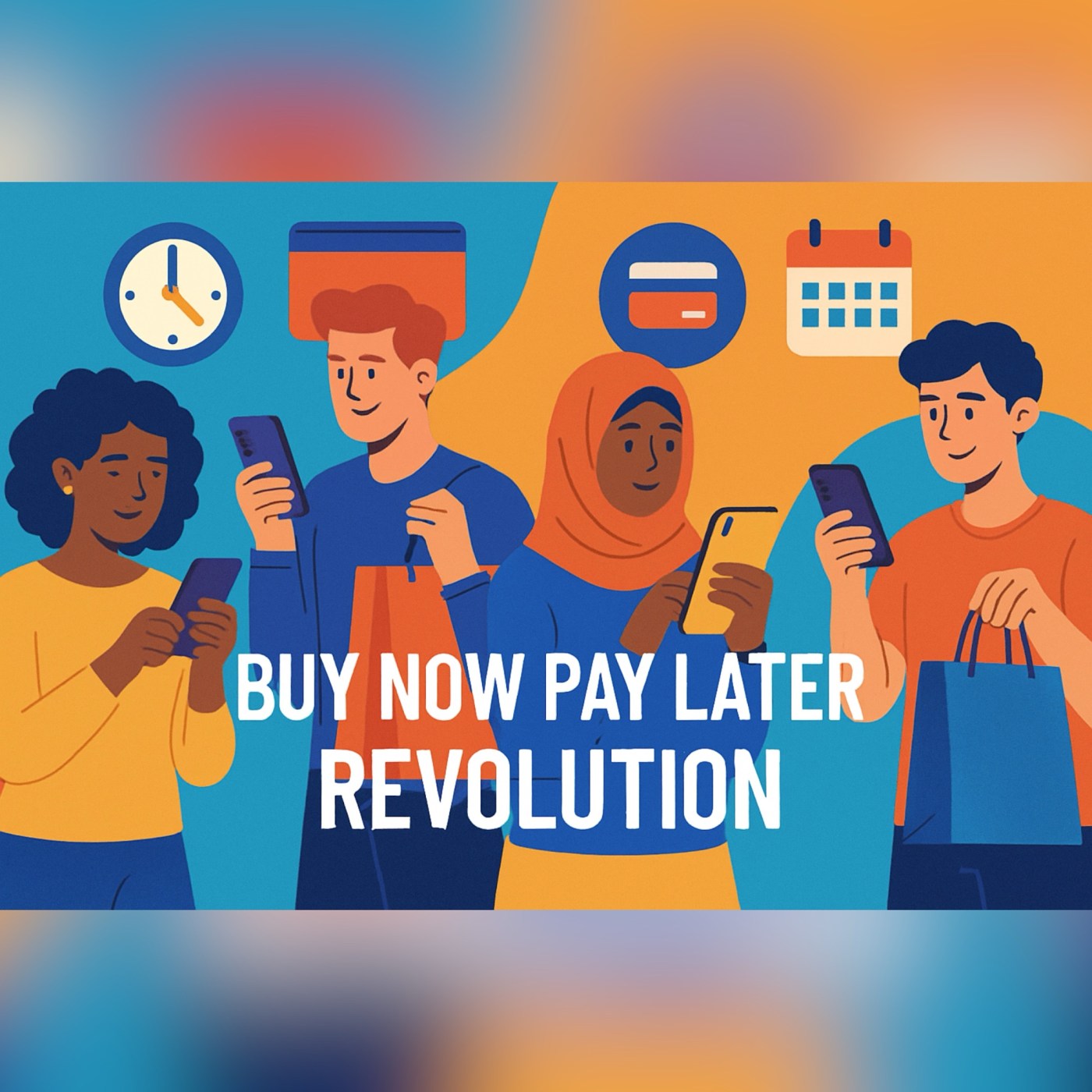
The Buy Now Pay Later Revolution: Changing the Way We Shop
Over the last few years, shopping hasn’t just moved online—it has changed how we pay. One of the biggest disruptors in the payment industry is Buy Now Pay Later (BNPL). From daily essentials to luxury electronics, BNPL has made a new promise to consumers: shop freely, pay later in flexible installments. But is BNPL a game-changer or a growing debt trap in disguise? Let’s explore.
What Is Buy Now Pay Later (BNPL)?
Think of BNPL as the modern version of an old “khata” (credit ledger) at your neighborhood grocery store. Instead of paying upfront, you take the product home and agree to pay in smaller amounts later—sometimes with no extra cost if paid on time.
In simple words: BNPL is a short-term credit option that allows you to buy now and pay in installments later, often interest-free.
How Does BNPL Work?
BNPL is usually offered at checkout on e-commerce platforms or apps. Here’s how it typically works:
- You pick your item and proceed to payment.
- Instead of paying the full amount, you select BNPL as the payment method.
- The BNPL provider pays the seller on your behalf.
- You repay the provider in installments, either weekly, monthly, or on a fixed date.
For example: If you buy a phone worth ₹20,000 using BNPL, you might pay ₹5,000 upfront and the rest in 3 monthly installments of ₹5,000 each—sometimes without interest if paid on time.
Why Is BNPL Becoming So Popular?
BNPL has gained traction worldwide, and India is no exception. Here are some key reasons driving the BNPL revolution:
- Convenience: No long bank approvals or heavy paperwork like traditional loans.
- Instant Access: Shop without waiting, even if your bank balance doesn’t allow it today.
- No (or Low) Interest: Many BNPL options promise “zero-cost EMIs” if repayments are on time.
- Youth-Friendly: Gen Z and Millennials see BNPL as more flexible than rigid credit cards.
It’s like having a “mini-credit card” inside all your favorite shopping apps.
BNPL vs Credit Cards: What’s the Difference?
BNPL (Buy Now Pay Later)
Approval Process: Instant, minimal checks
Interest Rates: Often zero (if on-time)
Tenure: Short-term (weeks/months)
Accessibility: Easy for young/non-salaried users
Spending Limits: Usually lower
Credit Card
Approval Process: Longer, requires income proof
Interest Rates High interest if unpaid
Tenure: Repayment Flexible but cyclical
Accessibility: Needs good credit history
Spending Limits: Higher, based on profile
Simply put, BNPL is quicker and easier, but credit cards still offer larger and more stable lines of credit.
The Hidden Risks of BNPL
While BNPL looks attractive, it’s not risk-free. Imagine visiting multiple restaurants in a week and saying, “I’ll pay later.” At the end of the month, you might struggle when all bills hit at once.
Some risks include:
- Overspending temptation: Easy credit can lead to impulsive borrowing.
- Late fees and penalties: Missing deadlines can convert “zero-cost EMI” into costly debt.
- Impact on credit score: Defaults are reported to bureaus, just like loans.
- Debt cycle trap: Using multiple BNPL apps can pile up hidden obligations.
Real-Life Example: An Urban Indian Shopper
Riya, a 26-year-old professional in Bengaluru, wanted a new laptop for work costing ₹60,000. Instead of draining her savings, she chose BNPL through an e-commerce app. She paid ₹10,000 upfront and split the rest into three monthly payments of ₹16,666 each. It felt manageable at first.
But when her gym subscription, electricity bill, and another BNPL payment coincided in the same month, Riya found herself cash-strapped. This highlights the importance of responsible usage.
The Future of BNPL in India
With digital adoption on the rise, BNPL is expanding into sectors beyond fashion and electronics—such as healthcare, education fees, and even travel. RBI regulations are being put in place to protect customers from unfair practices, signaling that BNPL is here to stay, but in a more structured way.
Industry estimates suggest India’s BNPL market could grow 10x over the next 5 years, making it a major payment option alongside UPI and credit cards.
Should You Use BNPL?
BNPL can be a helpful financial tool if:
- You use it for planned purchases (not impulse buys).
- You track repayment dates carefully.
- You don’t overcommit across multiple apps.
Think of BNPL like using seasoning in your food—a little can enhance the dish, but too much can spoil the taste.
Final Thoughts: The BNPL Revolution
The Buy Now Pay Later revolution has transformed shopping by combining affordability with instant gratification. While it democratizes access to credit, it also demands financial discipline. Used wisely, BNPL can be a friend. Used recklessly, it becomes a foe.
Call to Action:
What do you think of BNPL—convenient innovation or risky debt trap? Share your views in the comments and let others know how you use BNPL. Don’t forget to explore my other articles on digital payments and smart money habits!

If you found this article valuable, please don’t forget to Like and Subscribe to my blog for more expert insights and updates.

 THE MIND UPGRADE
Leave a comment