16th September 2025, Gaurav Kumar Singh
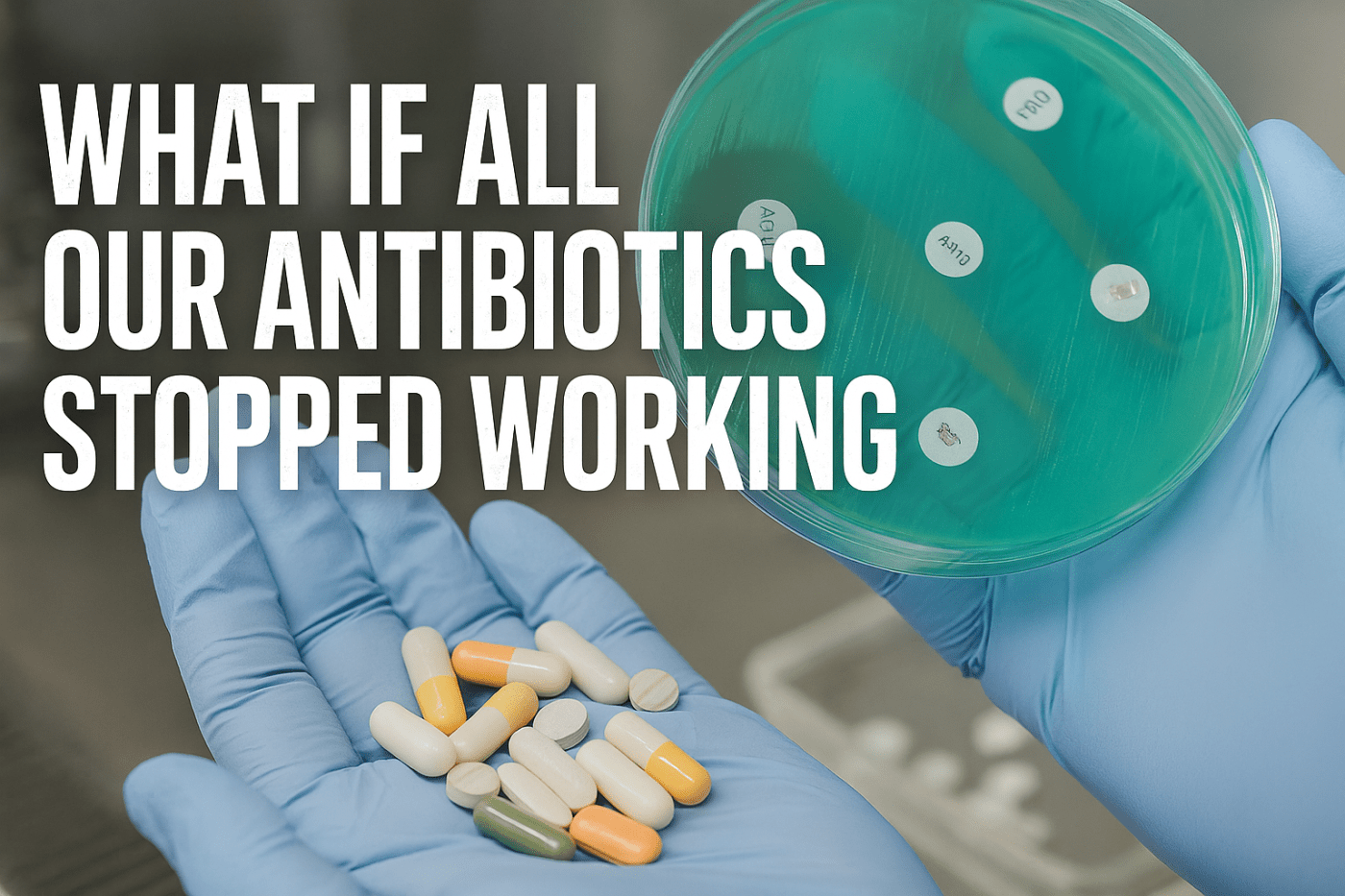
Imagine a world where a simple cut on your finger could become life-threatening. Where routine surgeries like appendix removal or knee replacement carried a high risk of deadly infection. This isn’t science fiction—it’s the possible reality we could face if antibiotics stop working.
The World Before Antibiotics
Not too long ago, before the 1940s, infections that we now consider minor could be fatal. One in 20 children didn’t survive childhood illnesses. Tuberculosis and pneumonia had no cure, and something as small as an infected scratch could lead to amputation. Antibiotics changed all of that.
These wonder drugs stop bacteria from growing or kill them outright, giving our immune systems the upper hand. Thanks to antibiotics, doctors can safely perform surgeries, treat pneumonia, protect cancer patients, and even farm animals without the constant threat of infection spreading.
But bacteria, clever as they are, are fighting back.
The Rise of Superbugs
In 2016 alone, around 700,000 people worldwide died due to antibiotic-resistant infections. Experts warn that by 2050, this number could rise to 10 million deaths every single year.
How does this happen?
Think of bacteria as a large crowd where no two individuals are exactly alike. When antibiotics are introduced, they wipe out the weaker ones. But the stronger, slightly more resistant bacteria survive, reproduce, and pass on their “tough genes.” Over time, entire colonies of bacteria become harder and harder to kill.
This survival-of-the-fittest cycle is nature’s way of ensuring that bacteria adapt, evolve, and eventually outsmart our medicines.
Why Resistance Spreads So Quickly?
Bacteria aren’t just survivors—they’re sharers too. Once one species develops a resistance, it can transfer that ability to other bacteria, even those of different types. It’s like one student discovering the answers to a test and then handing out cheat sheets to the entire class.
This sharing ability makes resistance spread rapidly, turning once-curable infections into untreatable nightmares.
Real-Life Consequences of Antibiotic Resistance
Everyday injuries could turn deadly – A small cut could spiral into a severe infection.
Routine surgeries would be risky – Procedures like hip replacements, cesarean deliveries, or even dental surgeries could become life-threatening.
Cancer treatments would suffer – Patients undergoing chemotherapy rely on antibiotics to fight off infections when their immune systems are weak.
Food production could collapse – Farming practices that rely on antibiotics to keep animals healthy would no longer be sustainable.
In short, life as we know it would change drastically.
Why Our Habits Matter?
The more we use antibiotics, the more opportunities bacteria get to build resistance. Overprescribing antibiotics, not completing full courses of treatment, and using them unnecessarily for viral illnesses (like colds or the flu) all contribute to the problem.
Even our lifestyle plays a role. The use of antibiotics in farming and the spread of resistant bacteria through food, water, and surfaces means resistance doesn’t stay confined to hospitals—it’s everywhere.
Are We Prepared for a Post-Antibiotic World?
We are in a race against time. Researchers are working on new drugs, alternative treatments, and smarter ways to use antibiotics. But innovation is slow, while bacteria evolve rapidly.
The truth is, we cannot afford to lose this battle. If our antibiotics stop working, we risk returning to a time when even minor infections were deadly.
What You Can Do to Help?
Use antibiotics responsibly – Only when prescribed by a doctor.
Finish the full course – Stopping midway helps resistant bacteria survive.
Avoid demanding antibiotics – For viral infections, they don’t work anyway.
Support awareness efforts – Talk about antibiotic resistance; awareness is the first step to change.
Final Thoughts
Antibiotics have given humanity decades of medical miracles, but their power isn’t endless. Unless we act now, superbugs could push us into a dangerous future where modern medicine struggles to protect us.
It’s a fight we can’t afford to lose. The question is—are we ready to step up?
Call-to-Action:
What do you think about the rise of superbugs? Could we be facing a future without antibiotics? Share your thoughts in the comments and explore our other health awareness articles to stay informed.

If you found this article valuable, please don’t forget to Like and Subscribe to my blog for more expert insights and updates.

 THE MIND UPGRADE
Leave a comment