Your PAN card isn’t just for filing taxes—it’s the master key to your financial identity. From bank accounts and property purchases to investments and even high-value shopping, your PAN is linked everywhere. But do you know why it’s required across so many services? This blog unpacks the real reasons and how this one card silently governs your financial world.
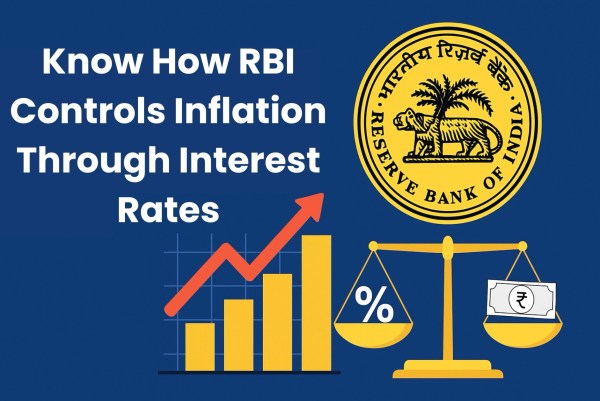
How RBI Controls Inflation Using Interest Rates – A Beginner’s Guide
Ever wondered how the Reserve Bank of India (RBI) keeps inflation under control? From setting repo rates to influencing how much interest you pay on loans, RBI plays a silent yet powerful role in shaping your monthly budget. This blog breaks down how RBI uses interest rates to balance inflation and growth in a way even non-finance readers can understand.
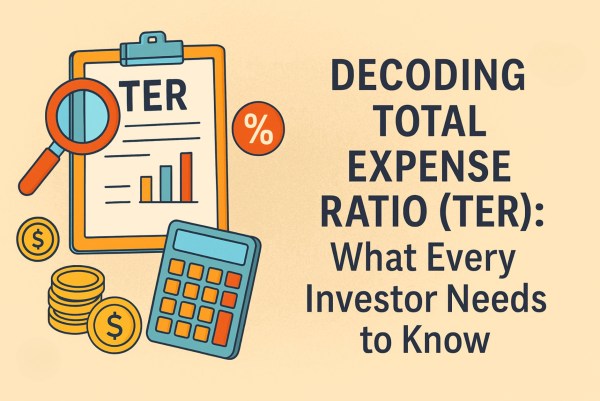
Total Expense Ratio Explained: How a Tiny Fee Can Impact Your Big Dreams?
Unlock the secret to smarter mutual fund investing! Discover what the Total Expense Ratio (TER) is and why this small percentage can have a huge impact on your long-term returns. Let’s break down how TER is calculated, how it affects your money, and what the latest buzz from SEBI means for your investments. Stop letting hidden costs eat into your profits—read on to become a more informed investor today!
The Psychology of Spending: Why You Buy Things You Don’t Need?
Why do we keep spending on things we don’t need, even when we know better? From emotional triggers to clever marketing strategies, the answer lies in the fascinating psychology of spending. This detailed guide explores the mental and emotional reasons behind impulsive buying, how consumer behaviour is influenced, and practical ways to build better money habits.
The Psychology of Money: Why Most Indians Fail at Wealth Creation?
Ever wondered why wealth creation seems like a far-fetched dream for many Indians despite hard work and good income? The answer lies in our psychology and money habits. This blog uncovers 7 common Indian money habits that unknowingly sabotage long-term financial growth and offers practical solutions to overcome them.
Debt Mutual Funds – A Smart Choice to Balance Your Portfolio
Looking to balance your investment portfolio with low risk? Debt mutual funds might be the perfect solution! These funds invest in fixed-income instruments and offer stable returns, making them ideal for cautious investors. Learn what debt mutual funds are, their benefits, types, and how they fit into your financial goals. Start making smarter, safer investment decisions today!
Why Nomination in Mutual Funds Is Crucial for Every Investor?
Nomination in mutual funds ensures a smooth and hassle-free transfer of your investments to your loved ones in your absence. With SEBI making it mandatory, understanding its importance is more vital than ever. Learn how to nominate, update nominees, and avoid future legal disputes—secure your family’s financial future today.
Understanding the Categorisation of Equity Mutual Funds in India: A Beginner’s Guide
Confused about equity mutual funds? Learn how categories like multi-cap, ELSS, value, and contra funds differ, and which is best for your financial goals. This beginner-friendly guide simplifies the types of equity mutual funds so you can invest smartly and confidently.
Understanding Net Asset Value (NAV) in Mutual Funds: A Guide for Smart Investors
Net Asset Value or NAV is the heartbeat of mutual fund investing. It reflects the per-unit market value of a mutual fund and helps investors make informed decisions. In this blog, let’s break down what NAV means, how it’s calculated, why it matters, and debunk common misconceptions. Learn how to navigate the world of mutual funds with clarity and confidence!
Credit Cards: A Smart Financial Tool or a Debt Trap?
Whether you’re applying for your first credit card or already have one in your wallet, knowing how to use it wisely is key. Credit cards offer convenience, rewards, and spending power—but they can also lead to debt traps if misused. This guide explains how to choose the right card, avoid common mistakes, and make your credit card work for you—not against you.