30th September 2025, Gaurav Kumar Singh
Introduction: The Rush of a Notification
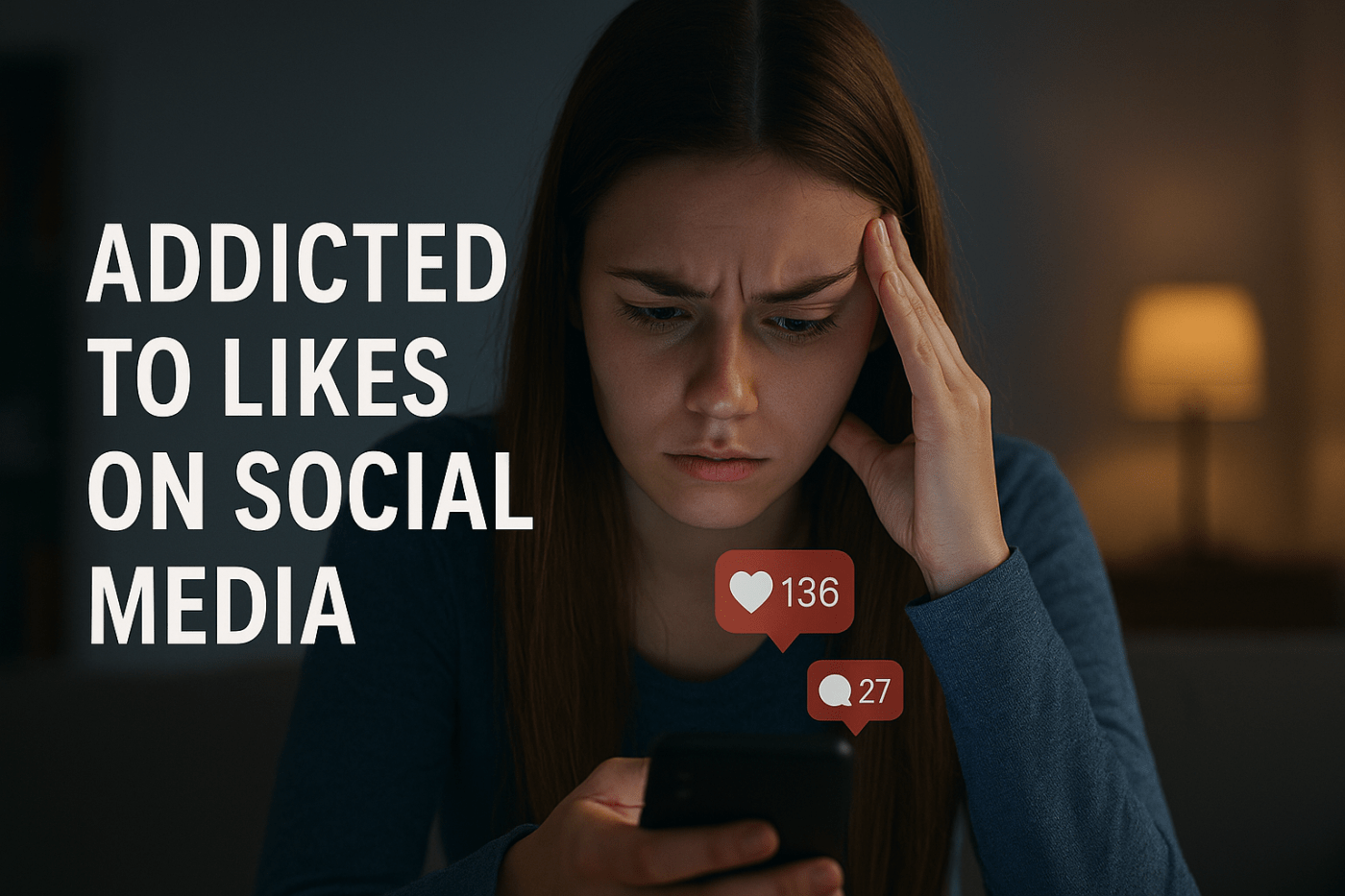
Picture this: you post a photo on Instagram—maybe it’s your morning coffee, maybe it’s your dog looking especially cute. A few seconds later, your phone lights up. One like. Then another. Then three. Suddenly, you’re grinning at the screen, heart racing a little faster than you’d care to admit. You might even refresh the app every two minutes just to see if more people approved.
That tiny hit of pleasure? That’s not an accident. It’s the psychology of likes, and you might be surprised to learn how much those little red hearts and thumbs-ups control the way we feel, think, and behave.
In plain terms: we’re addicted to likes on social media because they work like digital candy for our brains.
Why Likes Feel So Good?
Think of a like as the online version of a pat on the back. In real life, if someone compliments your outfit, you feel good. On social media, a like is that compliment—but multiplied, sped up, and available 24/7.
Behind the scenes, your brain releases dopamine—the “feel-good” chemical—every time you see a new like. It’s the same neurotransmitter linked to rewards like food, money, or even winning a game. But here’s the catch: unlike a meal or a paycheck, likes are unpredictable. Sometimes you get many, sometimes just a few. That unpredictability makes you check your phone again and again, just like pulling the lever on a slot machine.
Imagine standing in a casino pulling that lever over and over. Social media apps have cleverly turned your phone into that casino. The prize? Approval in the form of likes.
When Likes Start Shaping Self-Worth
Now here’s where things get tricky. At first, likes are fun. But over time, they can sneakily tie into our sense of self-worth. You might start asking: “If my post doesn’t get enough likes, does that mean people don’t like me?”
It’s like hosting a party and counting how many people clap after your story. If they clap loud, you feel amazing. If only a few clap, suddenly you’re questioning your storytelling skills. The danger is when our self-image starts depending not on how we feel, but on how others respond to what we share online.
Take teenagers, for example. Studies show many of them delete photos if they don’t get “enough likes” within a certain time. The number becomes more important than the memory or the joy behind the photo itself. And it’s not just teens—adults do it too, even if they don’t admit it.
The Hidden Costs of Like Addiction
On the surface, likes seem harmless. But being addicted to likes on social media has ripple effects.
First, there’s the constant comparison game. You scroll through your feed and see someone’s vacation photos with thousands of likes, while your post about your big work achievement barely scrapes twenty. That quiet voice in your head whispers, “Maybe I’m not doing enough. Maybe I’m not enough.”
Then, there’s the time drain. Hours slip away refreshing notifications, analyzing engagement, or tweaking posts just for better numbers. It’s like being trapped in a loop—except the loop never really ends.
And perhaps the biggest cost? The erosion of genuine connection. Instead of sharing moments because they matter to us, we sometimes share just to please an algorithm. Real joy becomes secondary to digital applause.
Finding Balance in a Like-Driven World
The good news? You don’t have to quit social media entirely to escape the trap. Think of it like sugar—great in small doses, unhealthy when it becomes your main diet.
Start by noticing your habits. Do you reach for your phone first thing in the morning? Do you delete posts that don’t perform “well”? Awareness is the first step. Next, try setting boundaries: limit your app time, or even hide like counts (yes, many platforms now let you do that).
And here’s a mindset shift that helps: post for connection, not validation. Share what genuinely excites you, whether it gets ten likes or ten thousand. Imagine you’re showing a friend something cool, instead of auditioning for the internet’s applause.
Real-life connections, face-to-face compliments, and conversations will always beat digital hearts. The likes might give you a buzz, but it’s the relationships behind the screen that give you lasting fulfillment.
Conclusion: Reclaiming Your Worth
Being addicted to likes on social media doesn’t make you weak or shallow—it makes you human. Our brains are wired to seek approval, and tech companies have simply built platforms that amplify that wiring. But here’s the empowering part: you can choose to step off the treadmill.
Remember, your worth isn’t measured in hearts, thumbs, or follower counts. It’s measured in laughter with friends, the satisfaction of doing meaningful work, and the quiet joy of being present in your own life.
So the next time you hit “post,” pause for a moment. Ask yourself: am I sharing this for me—or for the likes? That small question might just be your way out of the endless scroll.
Call-to-Action:
What about you—have you ever caught yourself chasing likes? Share your thoughts in the comments, pass this along to a friend who might need it, and let’s start a conversation about healthier ways to use social media.

If you found this article valuable, please don’t forget to Like and Subscribe to my blog for more expert insights and updates.
 THE MIND UPGRADE
Leave a comment