26th September 2025, Gaurav Kumar Singh
Imagine you’re at your favorite grocery store, reaching for your usual chocolate bar. It looks just the same—same price, same packaging. But when you unwrap it, the bar is smaller. You pay the same amount, but you get less chocolate. Sound familiar? This is invisible inflation sneaking up on your wallet, and it’s more common than you think.
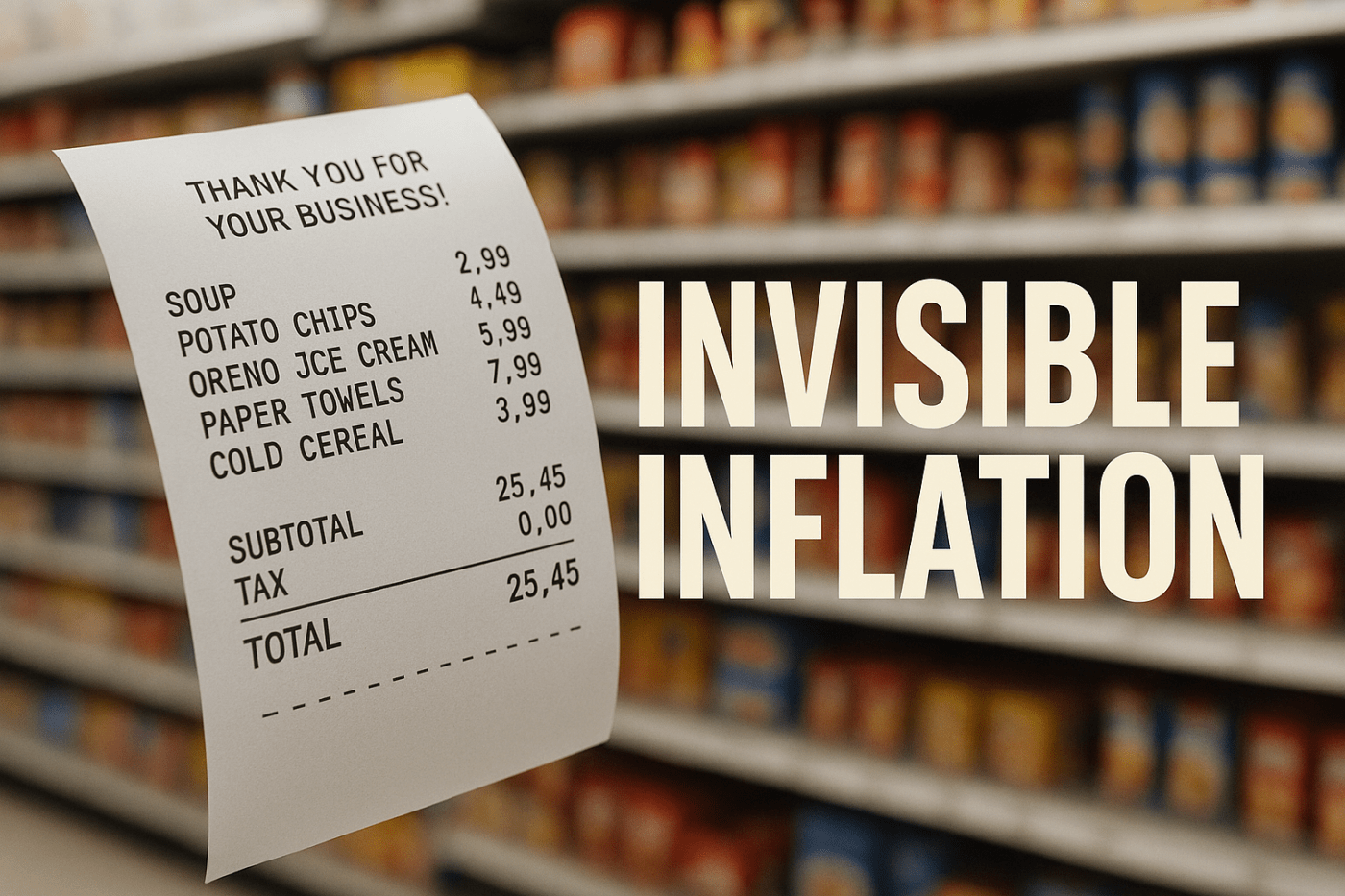
Invisible inflation, also called stealth inflation or hidden inflation, is inflation playing hide and seek. Unlike the obvious price hikes you spot right away—say, petrol jumping from Rs 90 to Rs 105—it’s the subtle changes that fly under the radar. Prices stay stable, but the quantity, quality, or even the time you get for services quietly shrink. Let’s journey together through what invisible inflation really is, why it matters, and how it’s silently shaping your financial life.
What Is Invisible Inflation? Think of It Like Shrinking Chocolates and Less Service
You might be surprised to learn that inflation isn’t always about sticker shocks at the checkout counter. Invisible inflation is when the price tag stays the same, but the product or service you get is smaller, poorer quality, or less satisfying.
Economists often refer to this as shrinkflation—smaller portions packaged just like the old size—or skimpflation, where the service you receive is cut back without an official price drop.
Picture this: You order your usual meal at a restaurant, the menu price hasn’t changed, but the portion size is smaller, or the waitress takes longer to attend you because the restaurant is understaffed. That’s invisible inflation in action. You’re technically paying the same but getting less.
Invisible inflation often creeps in when companies want to avoid scaring customers with visible price hikes but still need to manage rising costs. The end result? Your money doesn’t stretch as far as before, and many consumers barely notice until their budgets feel tighter.
Why Does Invisible Inflation Matter? When Paying the Same Means Getting Less
Invisible inflation matters because it quietly erodes your purchasing power—the amount of goods and services your money can buy. Unlike visible inflation, which raises prices openly, invisible inflation does so covertly. This hidden trick can make managing household budgets feel like navigating a foggy day.
Think of it like this: If you get a Rs 10 packet of biscuits, but it now contains fewer biscuits than before, your cost per biscuit has increased even if the packet’s price stayed the same. Over time, these small changes add up, making it harder for the average household to maintain their standard of living without raising income.
Invisible inflation also impacts how we perceive value. Behavioral economists point out the “money illusion”—our tendency to judge value by price tags rather than what we actually get. So, when the chocolate bar or your favorite shampoo bottle looks unchanged on the shelf, it’s easy to miss the invisible inflation nibbling away at value.
Invisible Inflation Examples You’ve Likely Encountered
From daily groceries to subscription services, invisible inflation is everywhere. Here’s a story you might relate to: You’re streaming your favorite music on Spotify, and suddenly, your subscription price hasn’t changed, but you’re not allowed to share accounts with family anymore. Same money, less benefit.
Or take a recent example from your kitchen pantry: your biscuits or chips packets may look the same size, but the contents have shrunk. A classic case of shrinkflation. The same goes for products like toilet paper rolls with fewer sheets or a meal served with smaller portions.
Services aren’t spared either. Imagine longer wait times at your local doctor’s clinic, less frequent cleaning in hotels, or reduced airline services—all without a price drop but definitely a decline in service quality. These seemingly small changes have a real impact on your day-to-day life.
How Invisible Inflation Affects You and Your Wallet?
Invisible inflation is like a silent tax you didn’t sign up for. Day by day, it chips away at your disposable income and forces tough budgeting choices. For families managing fixed incomes or those already striving to save, invisible inflation can mean the difference between pulling through comfortably or tightening belts further.
Beyond just daily expenses, invisible inflation impacts long-term financial strategies. Rising hidden costs in education, healthcare, and housing can quietly increase your future expenses even if headline inflation looks manageable. This silent erosion makes planning for the future trickier than ever.
What Lies Ahead? Navigating Invisible Inflation in a Changing Economy
Invisible inflation isn’t a passing phase but a new regime in many parts of the world’s economy. From supply chain disruptions to rising global debt, various forces are fueling this hidden inflation trend. Governments and policymakers are aware, but countering it requires more than just watching visible price tags.
For consumers, awareness is the first step. Being alert to changes in product sizes, quality, and service experience helps in making smarter purchasing choices. Think of it as reading between the lines of your receipts and subscriptions.
Looking ahead, the battle against invisible inflation may drive innovation in product transparency and consumer advocacy. Meanwhile, personal finance strategies that focus on value rather than price alone will be key to staying financially healthy.
Wrapping Up: Don’t Let Invisible Inflation Catch You Off Guard
Invisible inflation might be hiding in plain sight, but now that you know its game, you’re better equipped to spot it, understand it, and adapt. It’s not just about prices going up anymore; it’s also about getting less for the same money. Keep an eye on your spending, question the “same size” claims, and make informed choices.
Have experiences with invisible inflation that caught you by surprise? Or tips on how you’re tackling it? Share your thoughts in the comments below, and don’t forget to share this guide with friends and family so they’re not caught off guard either. Knowledge is power—especially when it comes to protecting your hard-earned money.

If you found this article valuable, please don’t forget to Like and Subscribe to my blog for more expert insights and updates.

 THE MIND UPGRADE
Leave a comment