20th September 2025, Gaurav Kumar Singh
When you hear the word “calories”, you probably think of dieting, weight gain, or the numbers on the back of a snack packet. But calories are much more than just numbers—they are the energy that keeps us alive and moving each day. Understanding calories can transform the way you think about food, health, and long-term wellness.
What Are Calories in Simple Terms?
Calories are units of energy. Just like your phone runs on battery power, your body runs on calories from food and drinks. Every time you eat, you’re charging your body with energy that fuels activities like walking, thinking, working, or even sleeping.
– Proteins, fats, and carbohydrates in food are the main sources of calories.
– Even when you’re resting, your body uses calories to pump blood, breathe, and repair cells.
Think of it this way: “Food is fuel”, and calories are the measurement of how much fuel you’re putting in your body.
Calories on Food Packets: What Do They Mean?
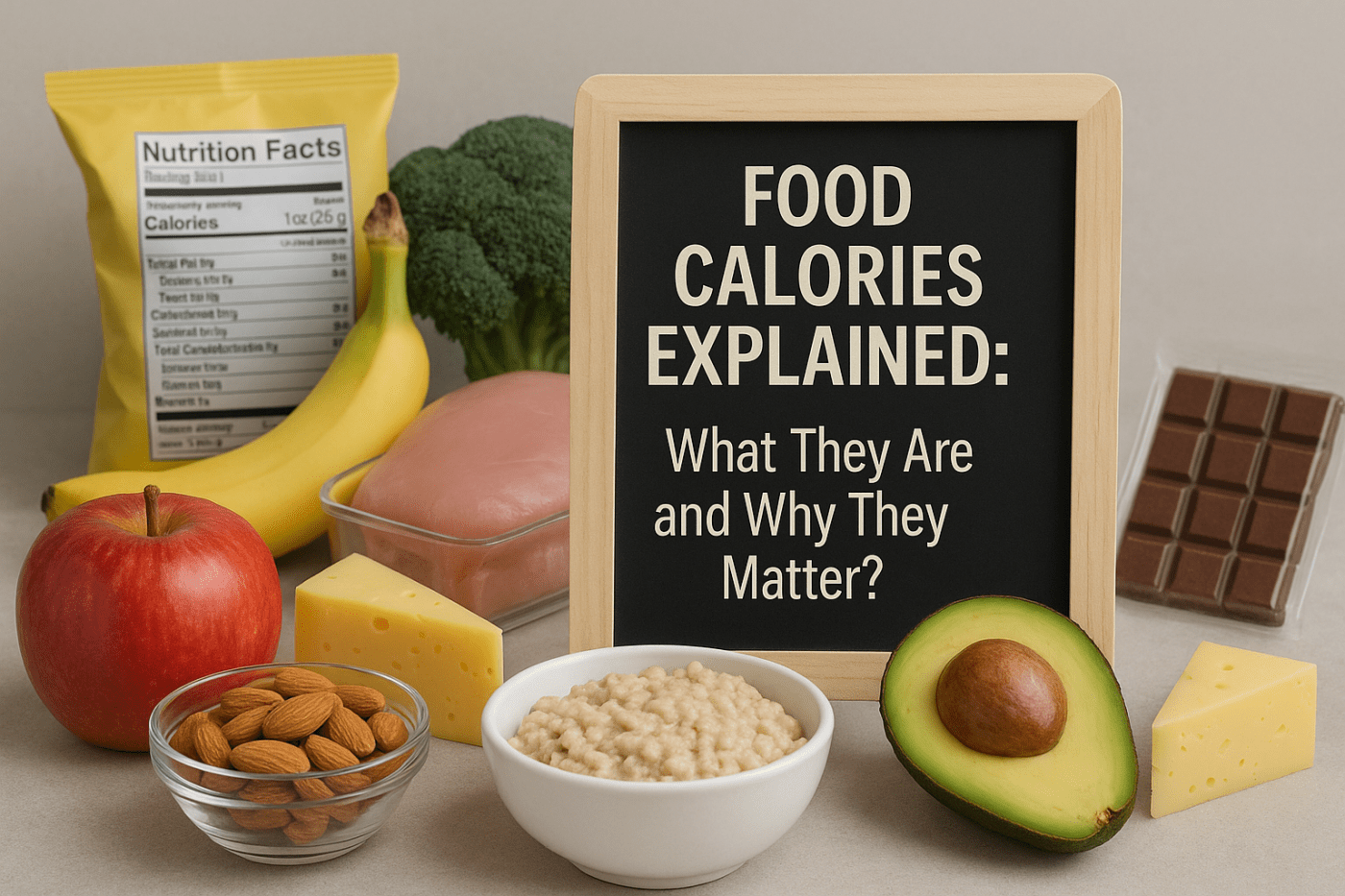
Whenever you pick up packaged food at a supermarket, you’ll notice a “Nutrition Facts label” or a “Nutritional Information chart” on the back. The calorie number mentioned here tells you how much energy one “serving” of that food provides.
Here’s how to read it:
Serving size: The calories stated are usually for a single serving, not the whole pack. For example, a bag of chips may say “150 calories per serving”, but the packet might contain 3 servings—meaning if you eat the whole bag, you’ve actually consumed 450 calories.
Calories from macronutrients: Beneath the calorie count, labels often break down how many grams of carbohydrates, protein, and fat are inside. This helps you understand whether your calories are coming mostly from sugar, fat, or balanced sources.
Daily value percentage: Some labels also show the percentage of daily energy needs that food fullfills (based on a standard 2,000-calorie diet). This helps consumers quickly judge how filling or calorie-dense a product is.
Example:
If you buy a chocolate bar that shows “200 calories per serving” and the label says the bar contains 2 servings, finishing the entire bar means 400 calories—not 200!
This is why understanding food labels is essential for making informed choices about portion sizes and avoiding “hidden calories.”
How Many Calories Do You Need?
Your daily calorie needs depend on several factors like age, gender, activity level, and health goals.
– An average adult man needs around 2,500 calories per day.
– An average adult woman needs about 2,000 calories per day.
For example, an athlete training daily may need 3,000+ calories, whereas someone with a desk job might need fewer.
The key is balance: eating more calories than you burn leads to weight gain, while eating fewer leads to weight loss.
Calories from Nutrients Explained
Not all calories are created equal. Foods provide calories from three main nutrients, also known as macronutrients:
– Carbohydrates: 1 gram = 4 calories (bread, rice, pasta, fruits)
– Proteins: 1 gram = 4 calories (eggs, chicken, beans, nuts)
– Fats: 1 gram = 9 calories (oils, butter, avocado, cheese)
This explains why fried food or desserts feel heavier—they contain calorie-dense fats.
Good Calories vs Empty Calories
Calories can come from nutrient-rich sources or from junk food with little nutritional value.
– Good calories: Found in whole foods like vegetables, fruits, whole grains, nuts, lean meats. They provide vitamins, minerals, fiber, and long-lasting energy.
– Empty calories: Come from sugary drinks, chips, sweets, and fast food. They give quick bursts of energy but little nutritional benefit.
A bar of chocolate and a bowl of oatmeal might have similar calories, but oatmeal nourishes your body while chocolate mostly spikes your blood sugar.
Real-Life Example of Calorie Impact
Imagine you drink a 500 ml bottle of soda. That’s around “200 calories”, but it contains mostly sugar. Now compare that to an apple and a handful of almonds (about the same calories combined). One option just fills you temporarily, while the other fuels your body with fiber, healthy fats, and vitamins.
This is why focusing only on calorie numbers is not enough—it’s also about the “quality” of those calories.
Do You Need to Count Calories?
Calorie counting can be helpful but isn’t mandatory for everyone. Some people track calories to lose weight, while others prefer to focus on balanced meals and portion control.
What matters most is knowing your body’s needs and making healthier choices consistently. For example:
– Replace sugary drinks with water.
– Limit deep-fried foods.
– Eat more vegetables and whole grains.
By doing this, you naturally maintain a healthier calorie balance without strict counting.
Common Myths About Calories
Myth 1: All calories are the same.
Reality: 100 calories of broccoli fuel your body differently than 100 calories of candy.
Myth 2: Skipping meals saves calories.
Reality: Skipping can make you hungrier later and lead to overeating.
Myth 3: Low-calorie diets are always healthy.
Reality: Severely cutting calories can harm metabolism and lead to nutrient deficiencies.
Practical Tips for Managing Calories
– Start meals with vegetables or salad – they’re filling but low in calories.
– Snack on fruits, nuts, or yogurt instead of chips and cookies.
– Choose cooking methods like steaming, grilling, or baking over frying.
– Be mindful of portion size—restaurants often serve more than your body needs.
– Always check calorie labels on packaged foods to avoid hidden high-calorie items.
Final Thoughts
Calories are not the enemy—they’re simply energy. The secret to good health is understanding where your calories come from, how to read food labels wisely, and how to balance them with your body’s needs. Once you view food as fuel, you’ll see eating not as a struggle but as a way to nourish your body consciously.
If you found this guide useful, share it with your friends and leave a comment.

If you found this article valuable, please don’t forget to Like and Subscribe to my blog for more expert insights and updates.

 THE MIND UPGRADE
Leave a comment