16th July 2025, Gaurav Kumar Singh
We’ve all heard them—those fascinating “facts” shared by a friend, a family member, or a viral social media post. They sound so plausible that we accept them as truth and pass them along. But what if some of the most common pieces of wisdom are actually just persistent myths?
Today, we’re diving deep into the world of popular misconceptions to set the record straight. Get ready to challenge what you think you know as we debunk 11 stubborn myths, one by one.
1. The Myth: It’s Best to Let Batteries Run Out Before Recharging
This is a classic piece of tech advice that has stuck around for far too long. Many of us diligently wait for our phone or laptop battery to hit 0% before plugging it in, believing it prolongs battery life.
The Truth: This was only true for older nickel-cadmium (Ni-Cd) batteries, which suffered from a “memory effect.” Modern devices use Lithium-ion (Li-ion) batteries, and they work very differently.
For these batteries, performing deep discharges (letting them die completely) actually puts more stress on them and shortens their lifespan.
The sweet spot for Li-ion batteries is to keep them charged between 20% and 80%. So, feel free to top up your phone throughout the day!
2. The Myth: More Megapixels Mean a Better Photograph
When shopping for a new smartphone or camera, it’s easy to get caught up in the “megapixel race,” assuming that a 108MP camera is automatically superior to a 12MP one.
The Truth: While megapixels (MP) determine the resolution or size of an image, they are not the most important factor for photo quality. Sensor size, lens quality, and image processing software play a much bigger role.
A camera with a larger sensor and fewer (but larger) pixels can capture more light, leading to better performance in low-light conditions and less “noise.”
Think of it this way: quality over quantity.
3. The Myth: You Only Use 10% of Your Brain
This myth is a favourite in movies and fiction, suggesting we all have a vast, untapped mental potential just waiting to be unlocked.
The Truth: This is completely false. Brain imaging techniques like fMRI and PET scans show that we use virtually every part of our brain, even when we are resting or sleeping.
While not all regions are active simultaneously, they all have specific functions and are used over the course of a day.
The brain is an incredibly efficient organ, and evolution wouldn’t have allowed us to develop such an energy-intensive organ only to use a fraction of it.
4. The Myth: Hair and Nails Continue to Grow After You Die

This macabre idea has fueled countless spooky stories, painting a picture of life continuing even after death.
The Truth: This is an illusion caused by dehydration. For hair and nails to grow, they need complex hormonal regulation and cell division, which cease entirely after death.
What actually happens is that the skin around the hair and nails retracts as the body dehydrates, making them appear longer than they were.
5. The Myth: The Bermuda Triangle is Uniquely Dangerous

The Bermuda Triangle, a loosely defined region in the western North Atlantic, is legendary for the supposedly mysterious disappearance of ships and aircraft.
The Truth: There is no evidence that disappearances occur more frequently in the Bermuda Triangle than in any other large, well-traveled area of the ocean. The U.S. Coast Guard does not recognise its existence.
Many of the stories have been exaggerated or are outright fabrications. The region experiences heavy daily traffic and is known for its tropical storms and hurricanes, which can explain any incidents far better than supernatural theories.
6. The Myth: Planes Dump Toilet Waste Mid-Flight

The thought of “blue ice” (a frozen mixture of human waste and disinfectant) falling from the sky is a horrifying one.
The Truth: Thankfully, this is not how modern airplanes work. Commercial aircraft use a closed vacuum toilet system that stores waste in a secure holding tank. This tank is emptied by ground crews at the airport after the plane has landed.
While extremely rare leaks can happen, leading to “blue ice” incidents, it is never an intentional act of dumping.
7. The Myth: Using Your Phone at a Petrol Station Could Cause an Explosion
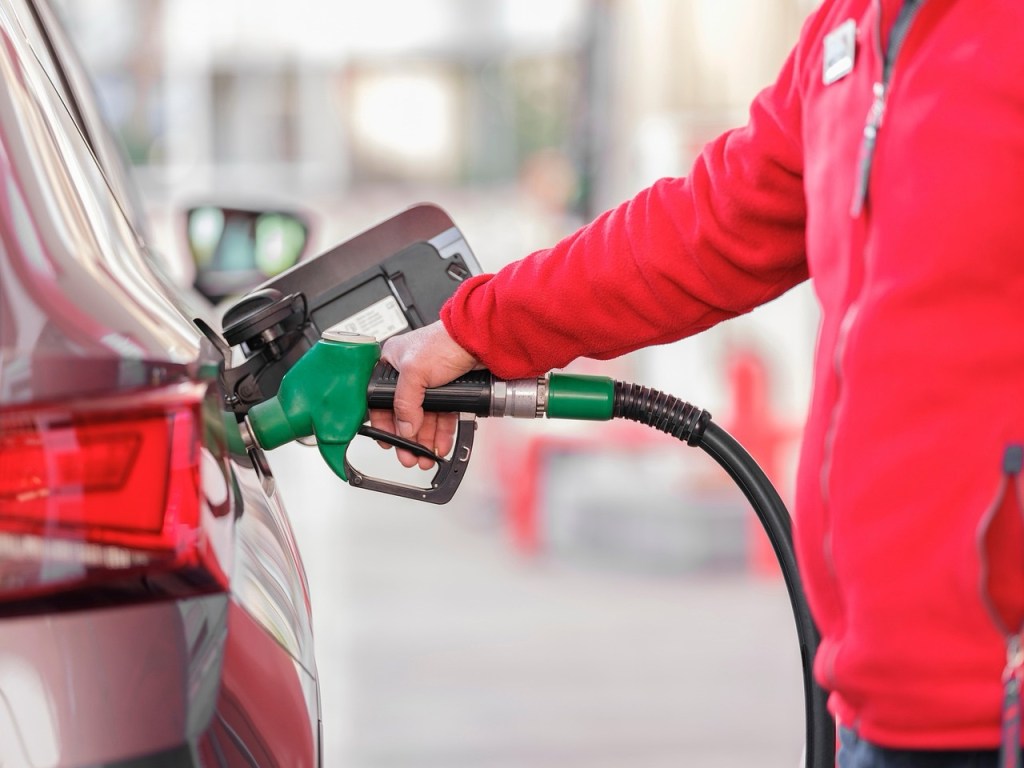
We’ve all seen the warning signs asking us to turn off our mobile phones while refuelling. The fear is that an electrical spark from the phone could ignite petrol fumes.
The Truth: There has never been a single documented case of a mobile phone igniting a fire at a petrol station. The amount of electrical energy produced by a phone is far too low to create a spark capable of igniting gasoline vapor.
The real, albeit small, risk at a petrol station is static electricity generated by your body, especially when getting in and out of your car. The signs are mostly a precaution to prevent distraction while you’re handling flammable fuel.
8. The Myth: Mercury is the Hottest Planet
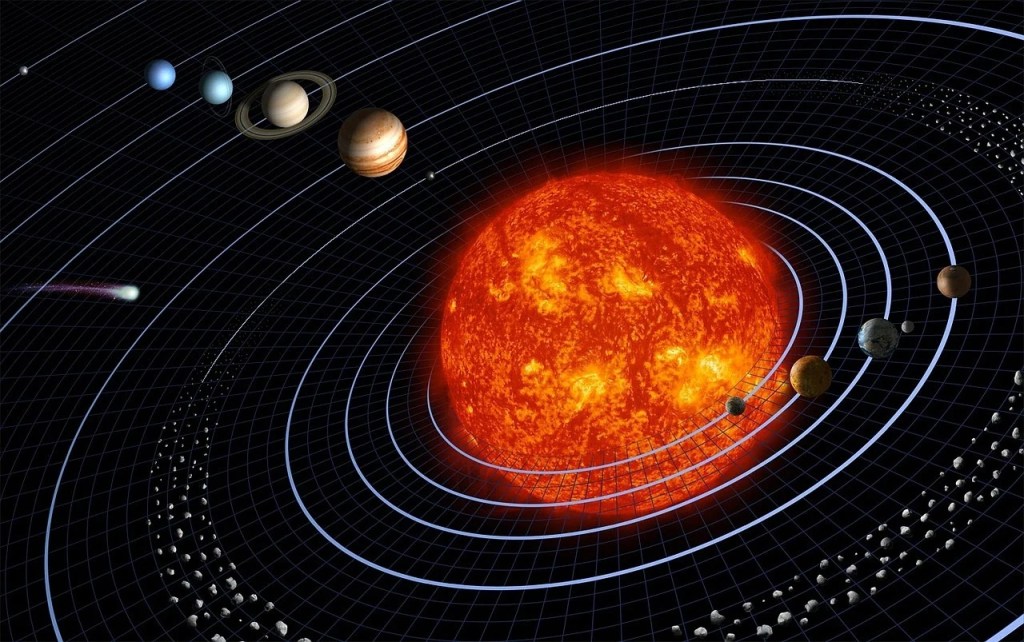
It seems logical: Mercury is the closest planet to the Sun, so it must be the hottest.
The Truth: Venus is actually the hottest planet in our solar system. Mercury has virtually no atmosphere to trap heat, so while its sun-facing side gets incredibly hot (up to 427 Degree C or 800 Degree F), its dark side plummets to a frigid -180 Degree C (-290 Degree F).
Venus, on the other hand, has a thick, toxic atmosphere made mostly of carbon dioxide, which creates a runaway greenhouse effect. This traps heat and keeps the planet’s average surface temperature at a scorching 462 Degree C (864 Degree F).
9. The Myth: The Great Wall of China is Visible from Space

This “fact” is often cited as a testament to the sheer scale of human achievement, claiming the Great Wall is the only man-made structure visible from the Moon.
The Truth: The Great Wall is not visible from the Moon. In fact, it’s barely visible even from Low Earth Orbit (LEO) without aid. Astronauts have repeatedly confirmed this.
While the wall is incredibly long, it is very narrow (only about 9 meters or 30 feet wide) and its colour and material blend in with the surrounding landscape. In contrast, things like highways, airports, and city lights at night are far more easily seen from orbit.
10. The Myth: Camels’ Humps Are Filled With Water
Camels are masters of desert survival, so it’s a common assumption that their iconic humps are personal water tanks.
The Truth: A camel’s hump stores fat, not water. This fat serves as a vital energy reserve, allowing the camel to survive for long periods without food. While metabolizing this fat does produce a small amount of water as a byproduct, it’s not its primary purpose.
Camels conserve water through other incredible adaptations, like their oval-shaped red blood cells (which flow easier when dehydrated) and highly efficient kidneys and intestines that extract every last drop of moisture.
11. The Myth: Bananas Are a Fruit
Okay, this one is a bit tricky. We call it a fruit, we eat it like a fruit, so it must be a fruit, right?
The Truth: While it’s a fruit in the culinary sense, botanically speaking, a banana is a berry. Furthermore, the banana “tree” isn’t a tree at all—it’s the world’s largest herbaceous flowering plant.
In botany, a berry is defined as a fleshy fruit produced from a single ovary, containing its seeds on the inside (even if the banana’s seeds are now minuscule). So, botanically, strawberries aren’t berries, but bananas, avocados, and watermelons are!
What other common myths have you always wondered about? Share them in the comments below!

If you found this article valuable, please don’t forget to Like and Subscribe to my blog for more expert insights and updates.

 THE MIND UPGRADE
Leave a comment