28th May 2025, Gaurav Kumar Singh
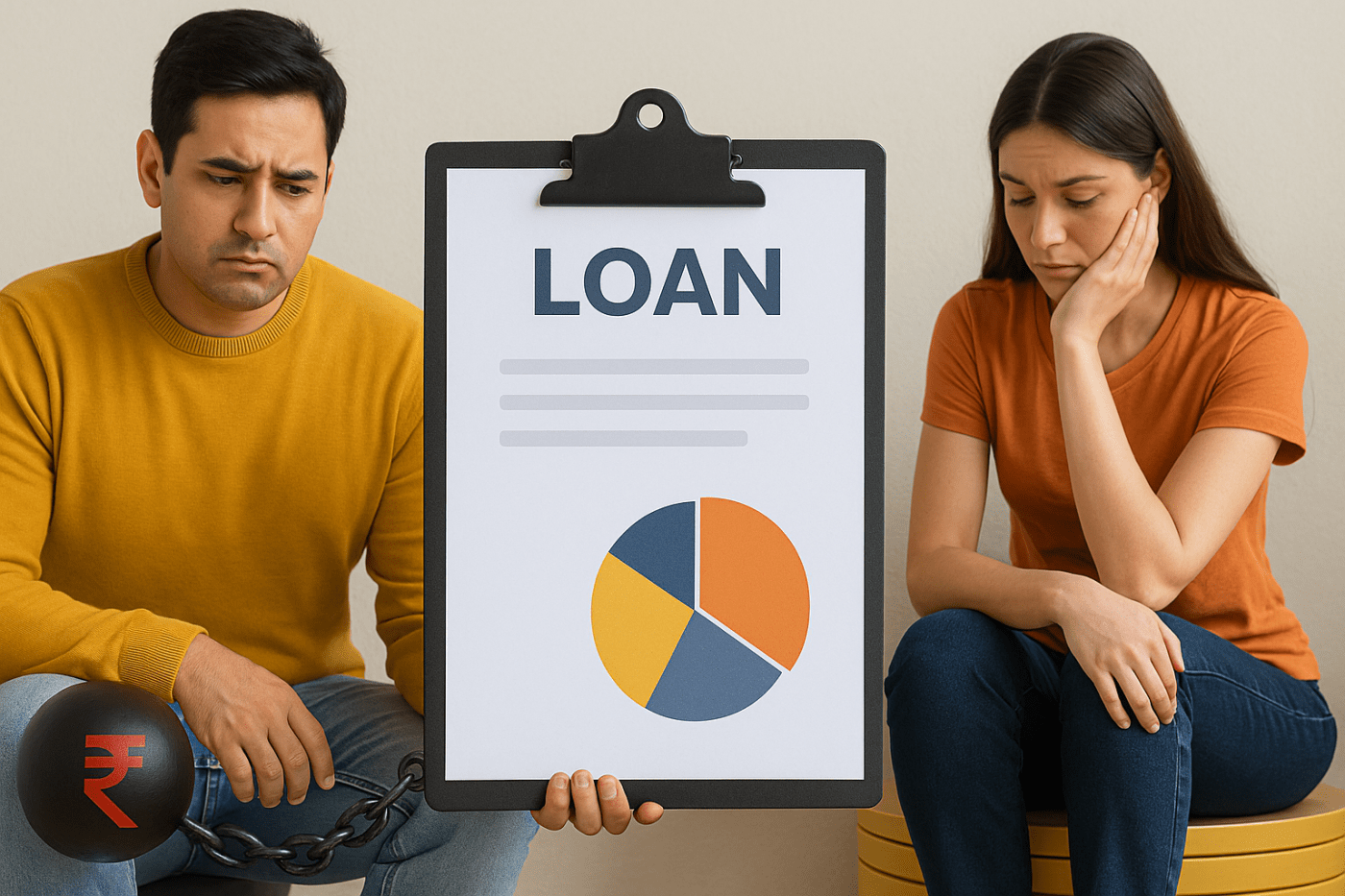
In a world increasingly driven by consumer aspirations and easy access to credit, financial discipline is often the first casualty. A new report by PwC and Perfiros, featured in Mint, has brought to light a critical reality—Indians are now spending more than one-third of their income on repaying loans. This alarming statistic underscores a deeper economic trend: rising debt, shrinking savings, and an evolving pattern of household spending that demands closer attention.
Let’s dive deeper into the key findings of this study and understand what it means for the average Indian household—and how you can safeguard your financial future in this changing landscape.
A Nation Driven by Debt: The Hard Facts
The report titled “How India Spends” analyzed the spending habits of over 3 million digital-savvy Indians. The key takeaway? An average Indian allocates 39% of their income towards obligatory expenses, mainly loan EMIs and insurance premiums.
These obligatory expenses overshadow essential needs and discretionary spending, such as:
Necessities (32%): Fuel, groceries, electricity, gas, water, etc.
Discretionary Spending (29%): Travel, food delivery, entertainment, lifestyle purchases.
This shift suggests a deeper issue—people are prioritizing debt repayments over daily needs and long-term savings. This is especially worrying in lower income brackets, where a large portion of earnings is already spent on basic survival.
The Burden of EMIs: A Breakdown by Income Levels
The report provides a revealing breakdown of EMI payments across income groups:
Entry-level earners: 34% of spending on EMIs
Emerging professionals: 35%
Established earners: 40%
Mid-level professionals: 44%
High-income earners: 46%
As income rises, so does the percentage of spending on loan repayments—primarily for luxury goods, vehicles, and property. This pattern reflects not just improved purchasing power, but also increased reliance on credit.
But at what cost?
The same households that are spending more on loans are also witnessing a sharp drop in savings, which has now fallen to a five-year low of just 5.1% of GDP (as per RBI data).
Why Are Savings Shrinking?
The rise in debt repayments is directly eating into what should ideally be set aside for savings. As personal loans become easier to access through fintech apps, NBFCs, and digital platforms, more people are using credit to meet lifestyle aspirations and big-ticket purchases.
Unfortunately, this comes at the cost of long-term financial security. Here’s how:
Increased EMIs = Decreased disposable income
Discretionary expenses (like online shopping and eating out) continue to rise, especially among higher income groups
Necessity spending drops as a percentage of income, especially among affluent earners
Savings suffer as a result, despite higher earnings
Changing Spending Habits: A Closer Look
The study also details how people are spending their discretionary income:
14% on lifestyle purchases (fashion, electronics, gadgets)
13% on eating out and online food delivery
8% on entertainment
3% on liquor and spirits
1% on travel
3% on online gaming
Interestingly, higher-income earners are more likely to take loans for these very purposes—highlighting a shift from need-based to desire-driven borrowing.
Implications for the Indian Economy
The trend of rising debt and falling savings is not just a personal finance concern—it’s an economic red flag. Low household savings can:
a) Reduce the capital available for investments
b) Increase financial vulnerability during emergencies
c) Limit future consumption due to debt overhang
d) Slow down overall economic growth
Moreover, as consumerism rises, the average Indian household is becoming increasingly dependent on loans, rather than building wealth through savings and investments.
What You Can Do: Tips for Smarter Money Management
If this report rings alarm bells for you, it’s time to take action. Here’s how to regain control of your finances:
1. Track Your Spending
Use budgeting apps or Excel sheets to monitor where your money is going every month.
2. Limit Debt
Avoid taking loans for non-essential purchases. Use credit only for high-priority needs or productive assets.
3. Create an Emergency Fund
Set aside at least 6 months’ worth of expenses in a liquid fund or savings account.
4. Focus on Savings First
Adopt the “Pay Yourself First” strategy—save before you spend, not after.
5. Build Assets, Not Liabilities
Invest in mutual funds, stocks, or real estate that appreciate over time, rather than spending on depreciating assets.
Conclusion
The growing trend of Indians spending over a third of their income on loan repayments is a wake-up call. While the ease of access to credit has helped many fulfill their dreams, it has also created a debt trap that’s eroding household savings.
By recognizing these trends and making conscious choices, you can protect your financial well-being and ensure a secure future for yourself and your family.
Remember, a financially healthy household is built not just on income—but on smart spending, disciplined saving, and thoughtful investing.

If you found this article valuable, please don’t forget to Like and Subscribe to my blog for more expert insights and updates.

 THE MIND UPGRADE
Leave a comment