16th May 2025, Gaurav Kumar Singh
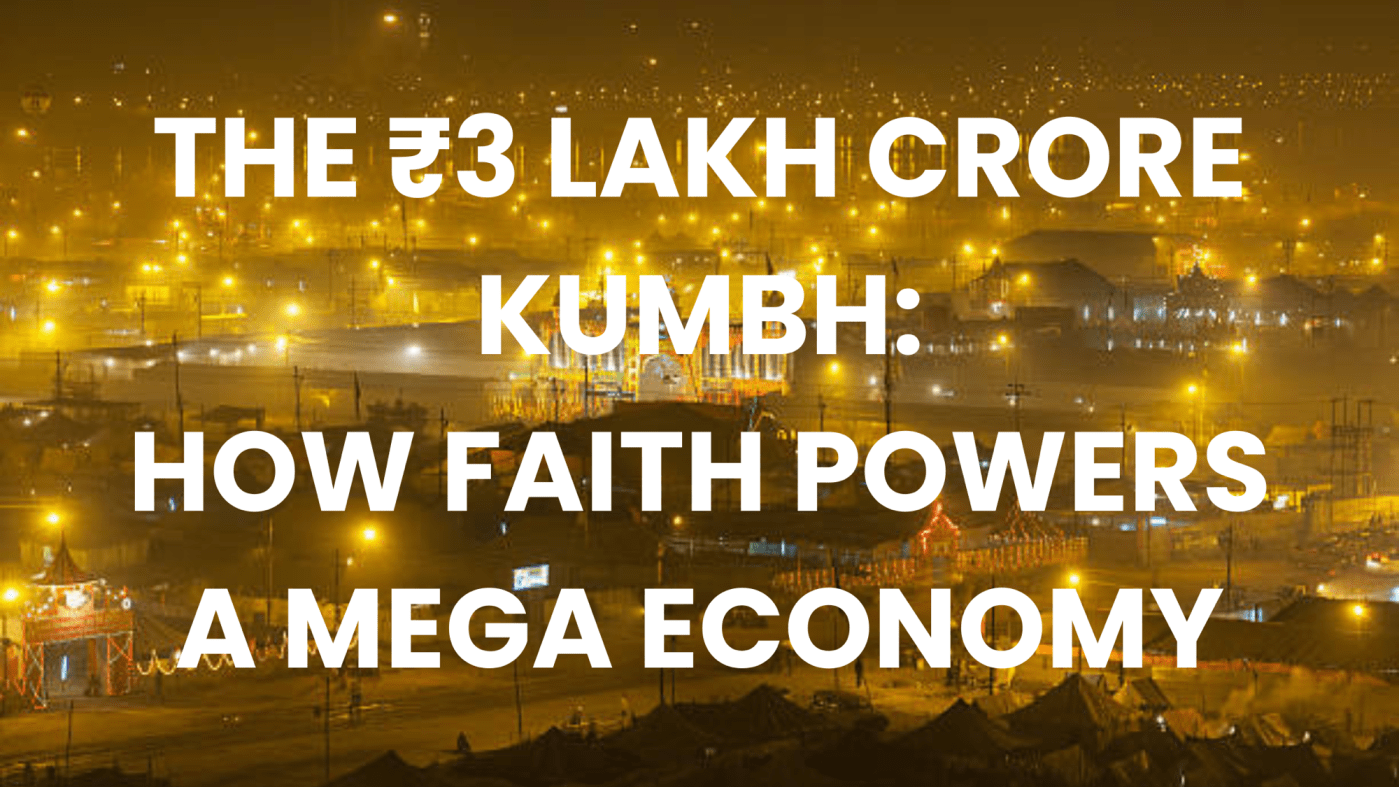
The Maha Kumbh Mela, one of the largest spiritual gatherings on Earth, transcends its religious roots to become a colossal economic engine. Held once every 12 years in Prayagraj, Uttar Pradesh, the 2025 edition ran for 45 days and attracted an unprecedented 660 million visitors.
But behind the scenes of holy dips and spiritual discourses lies a thriving, dynamic economy that boosts everything from GDP growth to micro-entrepreneurship.
A Statistical Snapshot of Maha Kumbh 2025’s Economic Impact
Massive Footfall:
Over 660 million devotees from 76 countries flocked to Prayagraj, creating a vast, ready-made market for goods and services.
Staggering Transactions:
An estimated ₹3 lakh crore (~$36 billion) in transactions took place, reflecting the deep synergy between faith and finance.
Boost to GDP:
Economists predict a 0.8% rise in GDP, potentially helping India meet its 6.5% growth target for FY2024-25.
Government Investment & Returns:
The UP government invested ₹6,990 crore, primarily in infrastructure and public services. The returns ? Estimated direct revenues of ₹25,000 crore—a massive ROI that also fuels long-term development.
Key Sectors Benefiting from the Maha Kumbh Economy
1. Hospitality and Accommodation
From budget tents to ₹1.1 lakh-per-night luxury domes, the hospitality sector was booming.
Estimated revenue: ₹6,000 crore
2. Food and Beverage
Food stalls, restaurants, and tea vendors did brisk business.
Bidding wars for prime locations went above ₹1 crore.
Sector revenue: ₹6,500 crore
3. Transportation and Logistics
Indian Railways alone earned approximately ₹17,700 crore.
Local transport, ride-hailing services, and airlines saw a massive surge in bookings.
4. Retail and Consumer Goods
Religious items, souvenirs, textiles, and essentials flew off the shelves.
Estimated retail activity: ₹7,000 crore
5. Religious Offerings and Ritual Products
Puja samagri, flowers, and dairy products were in high demand.
Revenue from religious goods: ₹5,000 crore
6. Healthcare and Wellness
Temporary hospitals, ambulances, and wellness services met the needs of millions, creating demand in medical services and pharmaceuticals.
7. Media, Advertising, and Entertainment
National and global brands ran campaigns targeting pilgrims and visitors.
Events, spiritual discourses, and live coverage also spurred media revenue.
8. Infrastructure Development
Long-term assets like roads, sanitation, and bridges improved regional accessibility, boosting tourism and trade even beyond the Mela.
9. Telecom and Technology
With millions on-site, demand for mobile networks, Wi-Fi zones, CCTV systems, and AI-enabled crowd monitoring surged.
The Informal Economy and Grassroots Entrepreneurship
The Kumbh economy isn’t limited to organized sectors. The informal economy thrives:
1. Small Vendors and Gig Workers
From chaiwalas to mobile barbers and photographers—millions found temporary yet lucrative employment.
2. Innovative Micro-Businesses
Individuals earned thousands daily selling neem twigs or retrieving coins using magnets.
Real-life example: A family of boatmen reportedly earned ₹30 crore ferrying pilgrims across the Sangam.
3. Local Community Impact
The event spurred economic prosperity in nearby villages and towns, increasing household incomes.
Long-Term Economic Impact
Tourism Boost:
Enhanced roads and amenities are expected to benefit religious hubs like Ayodhya and Varanasi for years.
Higher Disposable Income:
Locals with increased income are likely to spend more—stimulating demand in real estate, electronics, and automobiles.
Brand Visibility:
With over half a billion eyes on the event, businesses get a rare chance to penetrate new markets and strengthen their brand presence.
Managing a Mega-Economy: Key Challenges
Crowd Management:
Coordinating the movement of 660 million people over 45 days is a herculean task.
Sanitation & Waste Disposal:
Hundreds of tons of waste daily require industrial-scale waste management.
Price Regulation:
Authorities must monitor for price gouging on food, lodging, and transport services.
Conclusion: A Faith-Powered Economic Engine
The Maha Kumbh Mela is a spectacular blend of spirituality and commerce. With economic activity nearing ₹3 lakh crore, it rivals major global events in both scale and significance. From corporate profits to grassroots incomes, its ripple effects are massive, reinforcing the event’s status as a unique economic phenomenon in the modern world.

If you found this article valuable, please don’t forget to Like and Subscribe to my blog for more expert insights and updates.

 THE MIND UPGRADE
Leave a comment