09th May 2025, Gaurav Kumar Singh
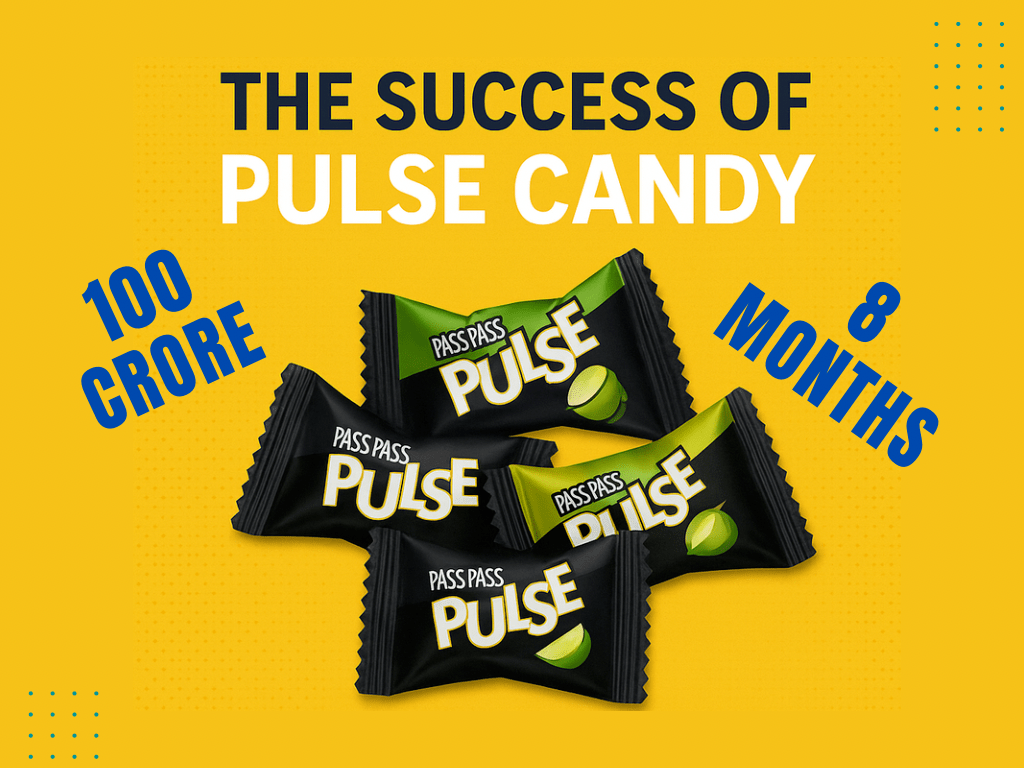
In 2015, a small, tangy candy priced at just ₹1 quietly entered Indian markets. With no celebrity endorsements, no TV ads, and no flashy digital campaigns, Pulse Candy from DS Group exploded into a nationwide craze. Within just 8 months, it racked up ₹100 crore in sales. By 2017, it had crossed ₹300 crore, surpassing big names in the confectionery industry.
This isn’t just a story about a candy—it’s a case study in product innovation, consumer psychology, and strategic marketing without a massive advertising budget.
1. The Indian Confectionery Market Landscape
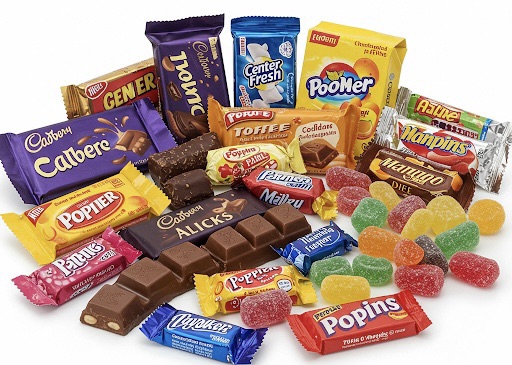
India’s confectionery market has long been a battleground for both homegrown and multinational brands. By 2015–16, the market was worth an estimated ₹6,000 crore, spread across various segments:
Chocolates (Cadbury, Nestlé)
Toffees and Eclairs (Parle, Perfetti)
Chewing Gums (Center Fresh, Boomer)
Hard-Boiled Candies (HBCs) like Poppins and Mango Bite
With India’s large population, especially in rural and tier-2/3 cities, pricing was key. A vast majority of daily sales happened in the ₹1 to ₹5 price range, with products often sold at local kirana stores, paan shops, and school tuck shops.
2. Understanding the Hard-Boiled Candy (HBC) Market
The Hard-Boiled Candy category is a staple in Indian confectionery. These sugar-based candies have a long shelf life, come in colorful wraps, and deliver nostalgic flavors that resonate with multiple generations.
Why HBCs are popular in India:
Affordable and accessible
Widely loved fruit flavors like mango, orange, and litchi
Sold in both urban and rural areas
Key players included:
Parle’s Kaccha Mango Bite
Ravalgaon’s Mango Mood
Perfetti Van Melle’s Alpenliebe
Despite being well-known, the HBC market had become stagnant. There was little innovation in flavor profiles or product experience. That’s where Pulse made its mark.
3. Pulse Candy’s Product Innovation
When DS Group entered the market with Pulse, it didn’t just launch another mango-flavored candy—it reimagined it.
The product design was unique:
Hard mango shell (evoking the classic Kaccha Aam flavor)
Filled with a tangy, salty masala core that surprised the palate

This twist created a sensory experience, taking the consumer from sweet to spicy in seconds. It tapped into India’s love for achaars, chaat masala, and tangy street food.
Pricing strategy:
At just ₹1, Pulse made indulgence frictionless—anyone could afford to try it. This low-risk, high-reward offering was a masterstroke.
4. Growth Without Traditional Advertising
In a world where companies spend crores on branding, Pulse didn’t run a single TV ad during its initial rise.
Instead, it went viral organically.
How?
Word of mouth: People raved about the unexpected masala twist.
Impulse placement: Widely available at cash counters and stalls across cities and villages.
Packaging: Bold, bright wrappers with flavor cues that stood out.
The product itself became the campaign. In WhatsApp groups, office breakrooms, and school canteens—Pulse became a conversation starter.
5. Business Impact & Market Disruption
The numbers were staggering.
₹100 crore in just 8 months of launch.
₹300 crore in sales within 2 years.
₹1000 crore in sales in 2023-24
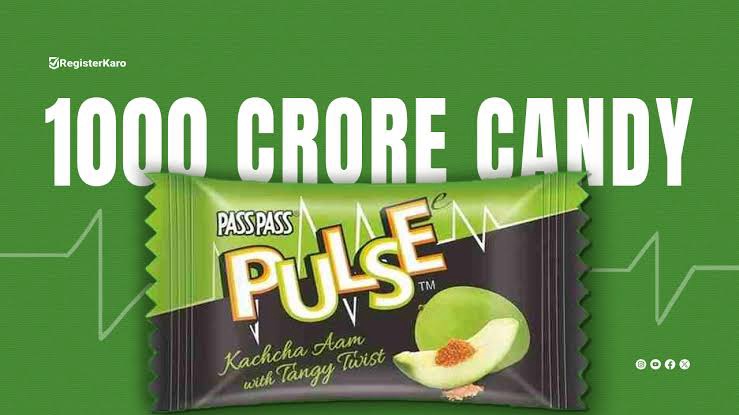
At its peak, Pulse was outselling chocolate brands like Perk and Munch in certain areas.
More than just a best-seller, Pulse reshaped the HBC market. It forced both established players and startups to rethink product innovation and pricing.
DS Group extended the brand into other flavors—Guava, Pineapple, Orange—but the original Raw Mango remained the hero.
6. Competitive Response
As Pulse gained popularity, imitations flooded the market.
Brands launched their own masala-core candies. Even Ayurvedic and local players jumped in. But Pulse had already captured market mindshare.
Why others failed to replicate Pulse’s success:
Inferior product quality
Lack of novelty (Pulse was “first”)
Weak distribution or branding
DS Group’s head start, strong execution, and a loyal consumer base kept competitors at bay.
7. Strategic Takeaways for Entrepreneurs
There’s a lot to learn from the Pulse Candy playbook:
a) Deep Consumer Insight Beats Big Budgets
Pulse succeeded because it understood Indian taste preferences better than anyone else.
b) Micro-Pricing Unlocks Scale
At ₹1, there’s no buyer hesitation. When your product delights, it creates its own demand.
c) Distribution Is the Real Marketing
Pulse reached the right people at the right touchpoints—local vendors, kirana shops, and urban checkouts.
d) Word-of-Mouth Is Still King
If your product is truly innovative, consumers will become your marketers.
Conclusion
Pulse Candy is a case study in how product brilliance, strategic pricing, and deep cultural understanding can disrupt even a saturated market.
For every entrepreneur, marketer, or business student, Pulse is proof that you don’t need crores in ad spend to build a ₹300 crore brand. You just need a product people can’t stop talking about—and buying.

If you found this article valuable, please don’t forget to Like and Subscribe to my blog for more expert insights and updates.

 THE MIND UPGRADE
Leave a comment