08th May 2025, Gaurav Kumar Singh
Let’s face it, scammers are getting smarter by the day. Whether it’s through a phone call, a text, or even a friend request on social media, they’ve got sneaky ways to steal your money, your personal info, or even your peace of mind.

And the worst part? It can happen to anyone.
So let’s break down the most common types of frauds you should seriously watch out for and how to actually protect yourself.
1. Digital Arrest Scam
The Digital Arrest Scam is a sophisticated fraud where cybercriminals impersonate law enforcement or government officials such as police, CBI, RBI, or TRAI officers to extort money from unsuspecting victims.
How It Works
The victim receives a call or video call claiming involvement in criminal activity (e.g., money laundering, illegal parcels, suspicious bank transactions).
Scammers threaten immediate arrest, suspension of bank accounts, or police action.
They claim the victim must undergo a “digital interrogation” via video call and stay visible on camera continuously.
The victim is coerced into transferring money to a “safe account” for verification or to avoid arrest.
The scammers often show fake documents, ID cards, or warrants to appear legitimate.
Key Tactics
High-pressure threats and legal jargon.
Fake government badges or letterheads.
Isolation of the victim by keeping them on continuous video calls.
2. Bank & Payment Scams: The Classics
These are the “OG” scams and still the most effective.
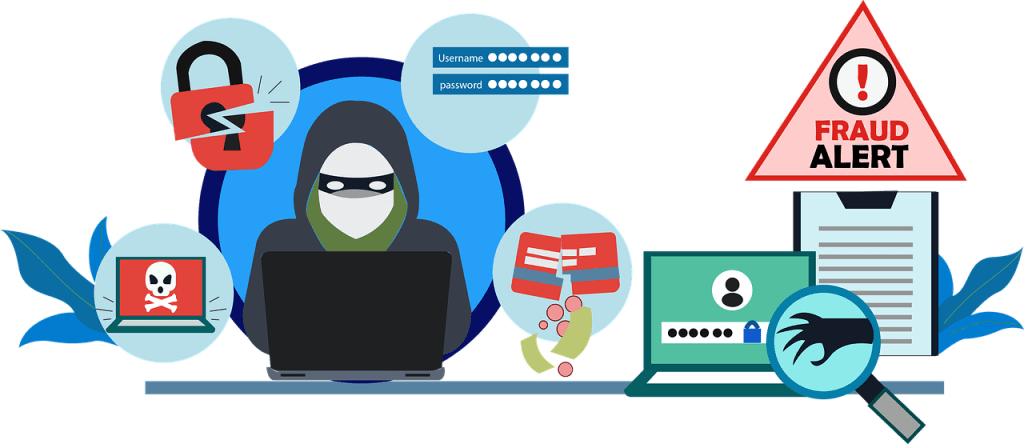
Phishing & Spoofing: You get an email or text that looks like it’s from your bank, but it’s not. Click the link, and boom—they’ve got you.
Example: A guy clicked a link from “State Bank,” entered his details, and lost ₹75,000 in minutes.
Spear Phishing: Same trick, but more personalized. Maybe it’s an email from your “boss” asking you to wire money or buy gift cards.
Vishing: Someone calls pretending to be from your bank or even the police. They’ll ask for OTPs or PINs to “verify your account.”
True story: An elderly man got a call saying his debit card would be blocked. He gave his OTP and lost ₹60,000.
Smishing: Scammy SMS messages like “Your account will be frozen unless you update your KYC.”
Skimming: Devices hidden on ATMs or card machines steal your card data.
SIM Swap: Scammers get a duplicate SIM using your ID and then access your bank OTPs.
3. Google Pay / PhonePe Scams: Just Tap, and They Take
You get a payment request on Google Pay. You think you’re receiving money, but you’re actually sending it.
Happened to a friend: He sold a second hand phone online, and the buyer sent a fake payment link. My friend clicked “approve” and lost ₹10,000.
Tip: Money coming in never needs an OTP or “approve” button.
If someone says otherwise—it’s a scam.
4. Friendship & Sextortion Scams: Not Everyone’s Looking for Love
Friendship Scam: A cute stranger sends a friend request. They chat, flirt, maybe even say they’re coming to visit. Then comes the ask: “I’m stuck at the airport, can you send money?”
Yep, it’s fake.
Sextortion: This one’s scary. You get on a video call, things get spicy, they record it and next thing you know, they’re blackmailing you.
Pro tip: If someone gets pushy fast, block and delete.
5. Fake Financial Advisors: Especially Targeting Seniors
They promise double returns, early retirement, or “once-in-a-lifetime” deals. Reality? They’re just selling useless insurance, fake stocks, or even complete scams.
Real talk: If it’s that good, why aren’t they rich?
6. Benefits & Threats Fraud: Playing on Fear
Benefits Fraud: “Congrats! You’ve won a free government grant!” You just need to pay a “processing fee.”
Spoiler alert: There is no grant.
Threats Scam: “We’ll cut your electricity or water unless you pay up now.” These scare tactics work, especially on the elderly.
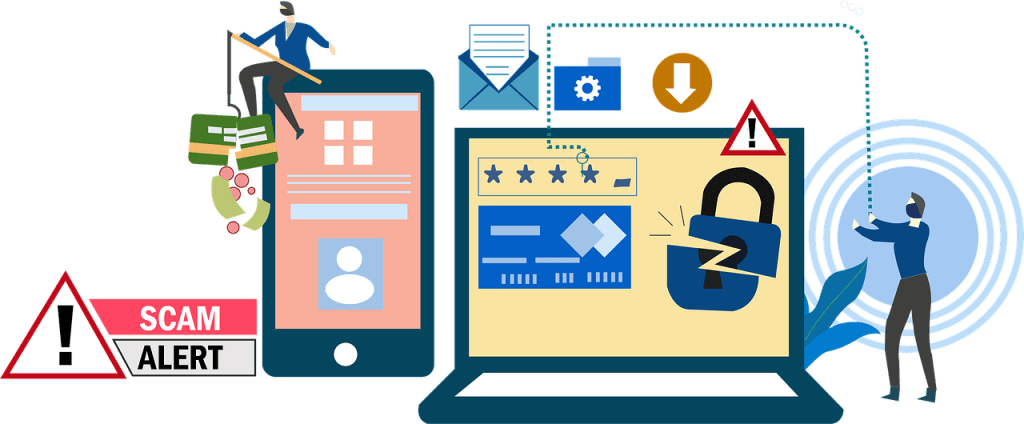
7. Delivery Scams: The Fake Package Trick
You get a call saying you need to pay extra for a delivery or verify it with an OTP. The scammer might say it’s from Amazon, Flipkart, or even a courier company.
Say you haven’t ordered anything? They don’t care and they’ll still try to talk you into clicking a link or sharing an OTP.
8. Investment Scams: Get Rich Quick… and Go Broke Faster
Promises of huge returns in days or weeks are almost always fake. Crypto scams, fake stock tips on Telegram, or high-return “plans” suck in people all the time.
I read in a news that someone invested ₹1 lakh into a “global crypto firm” and the website vanished two days later.
So… How Do You Actually Stay Safe?
Here are some real things you can do to stay scam-free:
1. Do not share Personal or Financial details over phone / video call.

Government agencies never demand money over calls or video. Don’t share any details to a person pretending to be government official.
2. Never Share OTPs. Period.
Not with your bank, not with customer support, and definitely not with anyone over the phone.
3. Double-Check Every Link or Message
If you get a link from your bank or a shopping site, don’t click it. Instead, go directly to the official website or app.
4. Use Strong Passwords & 2FA
Use different passwords for each app or website. Turn on two-factor authentication everywhere. It’s an extra step, but it’s worth it.
5. Don’t Fall for Urgency
Scammers love to create panic. “Your account will be closed in 24 hours!” If someone’s rushing you to make a decision – pause. Take a breath. Call the official helpline if unsure.
6. Use Call Blocker & Spam Alerts
Apps like Truecaller help you screen calls. Also, your phone’s spam filters can block scam texts.
7. Be Suspicious of Strangers Offering Romance or Investment Tips
If someone you barely know starts asking for money, red flag. Always talk to a trusted friend or family member before sending money.
8. Educate Your Parents and Grandparents
Seniors are often targeted because they’re polite and trusting. Sit them down and explain how these scams work. Maybe even do a mock call to show them what to look for.
9. Report It Immediately
If you fall for a scam or almost do, report it. Call your bank, file a complaint at https://cybercrime.gov.in, or go to your nearest police station.
Final Words
Scammers don’t need to break into your house. They just need to trick you into opening the door. But with a bit of awareness and a whole lot of common sense, you can slam that door right in their face.
Share this with your family, your friends, and even that one cousin who still forwards those “click here to win an iPhone” messages.
Stay smart. Stay safe.
Want this as a checklist or printable PDF for your family? Just let me know!

If you found this article valuable, please don’t forget to Like and Subscribe to my blog for more expert insights and updates.

 THE MIND UPGRADE
Leave a comment