04th May 2025, Gaurav Kumar Singh
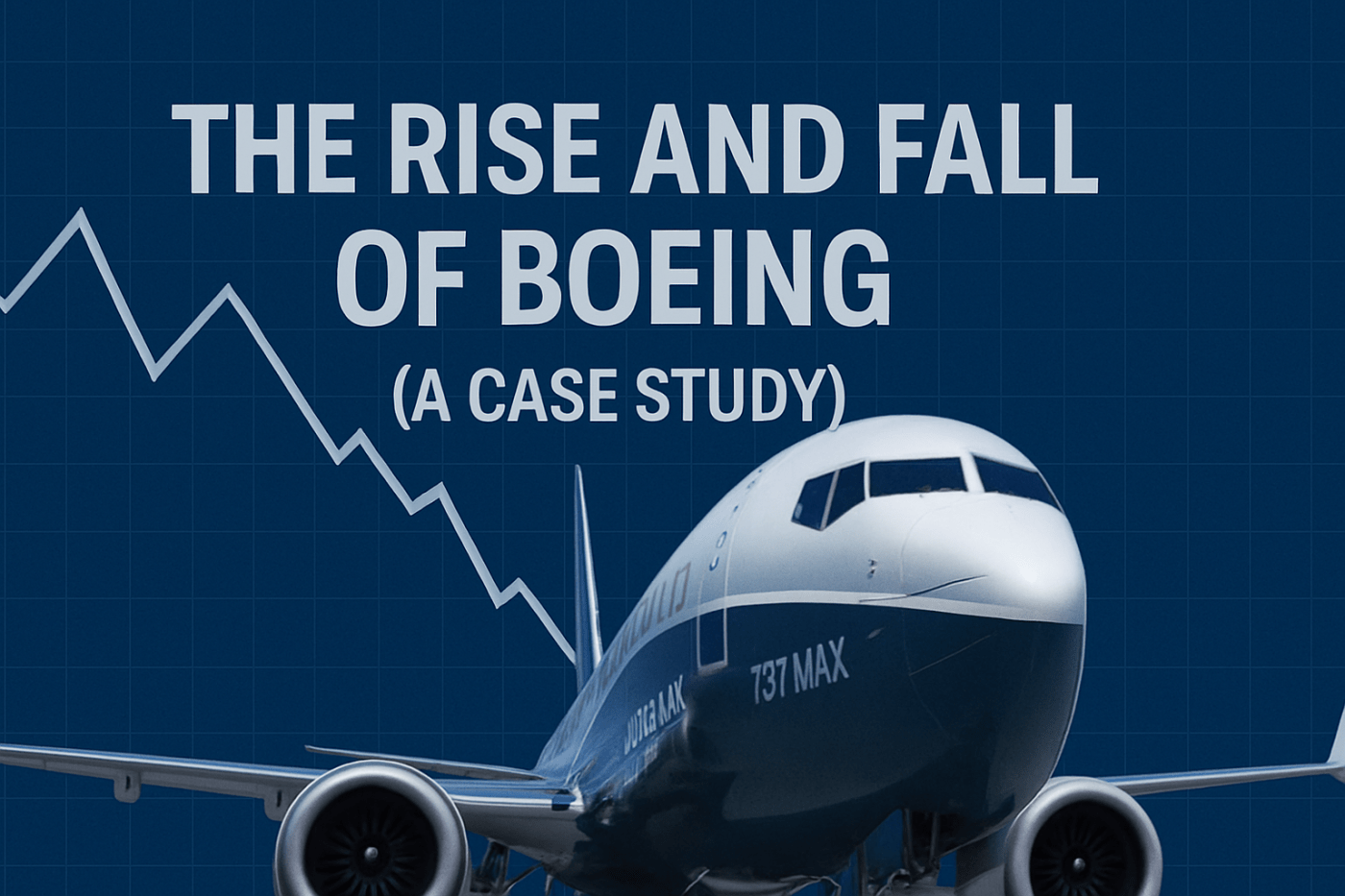
When you think of aviation giants, Boeing is a name that immediately comes to mind. For decades, Boeing ruled the skies, setting standards for innovation, safety, and excellence in aerospace. But in recent years, the company has faced a series of challenges that have shaken its once-sterling reputation.
This is the story of Boeing’s spectacular rise, its troubled fall, and the lessons businesses around the world can learn from it.
The Rise of Boeing: From Dream to Dominance
Humble Beginnings
Boeing was founded in 1916 by William E. Boeing in Seattle, Washington. It all started with a small airplane called the B&W seaplane, built in a boathouse. William Boeing had a simple philosophy: “Build it better.” This idea laid the foundation for the company’s future success.
Growth During Wartime
World Wars I and II fueled a massive demand for military aircraft. Boeing capitalized on this, producing famous models like the B-17 Flying Fortress and the B-29 Superfortress. These aircraft not only played a crucial role in the wars but also made Boeing a household name.
Commercial Aviation Boom
After the wars, Boeing shifted its focus to commercial air travel, sensing the future of global transportation. The launch of the Boeing 707 in 1958 changed everything. It was one of the first successful commercial jetliners and made flying accessible to millions.
Following the 707, Boeing introduced several iconic aircraft:
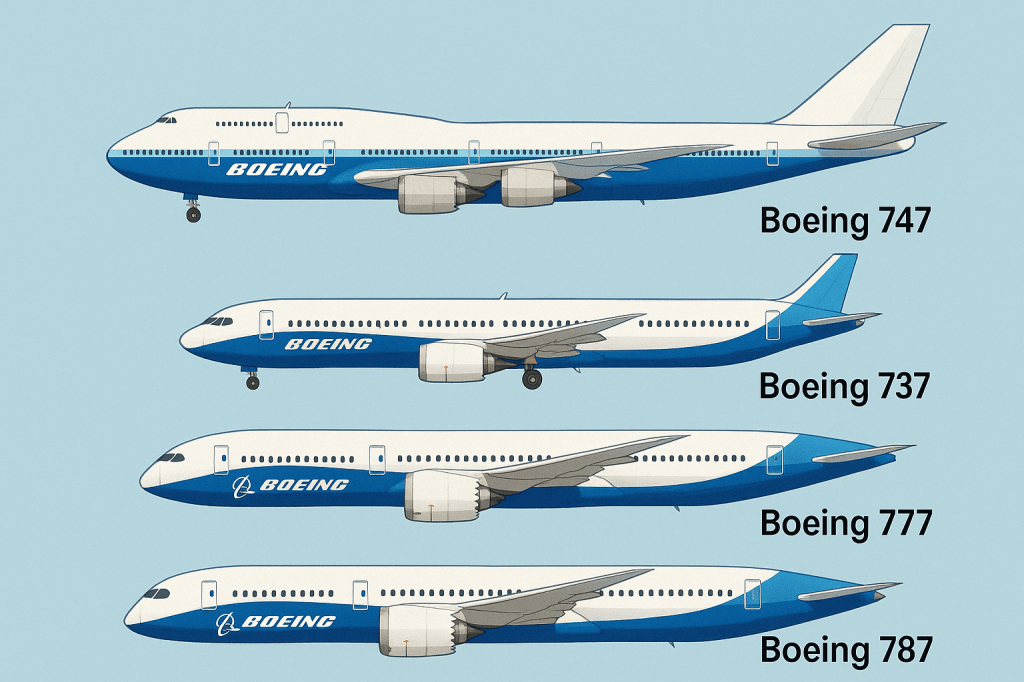
• Boeing 737: Introduced in 1968, it remains one of the best-selling commercial aircraft ever.
• Boeing 747 (“The Queen of the Skies”): Launched in 1970, it revolutionized long-distance travel.
• Boeing 777 and 787 Dreamliner: Innovations in comfort, fuel efficiency, and technology.
By the late 20th century, Boeing was not just an aircraft manufacturer—it was the leader in aviation.
The Fall: A Story of Complacency and Crisis
The Merger with McDonnell Douglas
In 1997, Boeing merged with its rival McDonnell Douglas. While it seemed like a move to consolidate power, critics argue that it shifted Boeing’s internal culture.
Before the merger:
• Boeing prioritized engineering excellence and innovation.
After the merger:
• The focus moved increasingly towards cost-cutting, shareholder value, and short-term profits.
This cultural shift planted the seeds for future problems.
The 737 MAX Crisis
The Boeing 737 MAX was designed to compete with Airbus’s fuel-efficient A320neo. However, to save costs and time, Boeing decided to update the existing 737 model rather than design a new aircraft from scratch.
To make the new plane compatible with older models (saving airlines from retraining pilots), Boeing added a system called MCAS (Maneuvering Characteristics Augmentation System).
But there were critical issues:
• Pilots weren’t fully informed about MCAS.
• Training manuals barely mentioned it.
• The system had design flaws that could push the nose of the plane down unnecessarily.
Tragic Outcomes
In late 2018 and early 2019, two 737 MAX planes crashed—Lion Air Flight 610 and Ethiopian Airlines Flight 302—killing 346 people.
Investigations revealed:
• Boeing had rushed development.
• Internal warnings from engineers were ignored.
• The company lobbied regulators for looser oversight.
The FAA (Federal Aviation Administration) faced harsh criticism too, as it had delegated much of the safety certification process to Boeing itself.
Fallout
The 737 MAX was grounded worldwide for 20 months—the longest grounding in U.S. history. Boeing faced:
• Billions of dollars in losses.
• Massive reputational damage.
• Lawsuits from victims’ families.
• Loss of trust from airlines and passengers.
Top executives resigned, including CEO Dennis Muilenburg in December 2019.
COVID-19 Pandemic
As if things weren’t bad enough, the COVID-19 pandemic struck in 2020, crippling the entire aviation industry. Orders for new planes plummeted, airlines deferred deliveries, and Boeing struggled to stay afloat.
Key Factors Behind Boeing’s Fall
1. Cultural Shift: Moving from engineering-led to finance-driven decision-making weakened product integrity.
2. Rushing to Compete: Instead of focusing on building the safest, most advanced aircraft, Boeing rushed to market to beat Airbus.
3. Ignoring Whistleblowers: Employees who raised safety concerns were ignored or even silenced.
4. Overreliance on Deregulation: Trusting that self-certification would save time led to cutting critical safety corners.
5. Lack of Transparency: Not informing pilots and airlines about the MCAS system led to deadly misunderstandings.
Lessons for Businesses and Leaders
1. Never Compromise on Core Values
Boeing’s early success came from prioritizing engineering excellence and customer safety. Moving away from these values to chase short-term profits proved disastrous.
2. Listen to Your Employees
Whistleblowers and engineers often have crucial information about product flaws. Ignoring them can cost lives—and billions of dollars.
3. Balance Speed and Safety
Innovation and speed are important, but not at the cost of quality and integrity.
4. Build Long-Term Trust
Your brand is not just about numbers on a balance sheet—it’s about the trust customers place in you. Once broken, rebuilding that trust is a long, painful process.
5. Leadership Matters
Corporate leadership sets the tone for the entire company. Boeing’s leadership failed to uphold the standards that had made the company great.
Is Boeing Recovering?
Boeing is slowly rebuilding its reputation:
• The 737 MAX returned to service after extensive testing and modifications.
• Boeing is working on next-generation aircraft.
• It is also investing heavily in safety culture reforms.
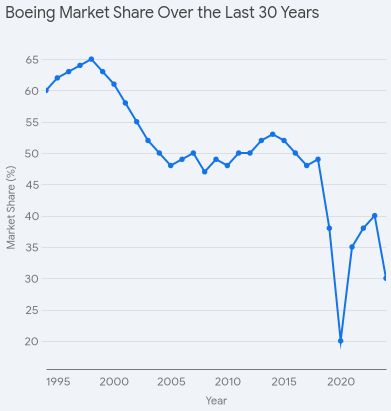
However, competition is fierce. Airbus has gained significant market share. New entrants from China and other countries are eyeing the aviation market.
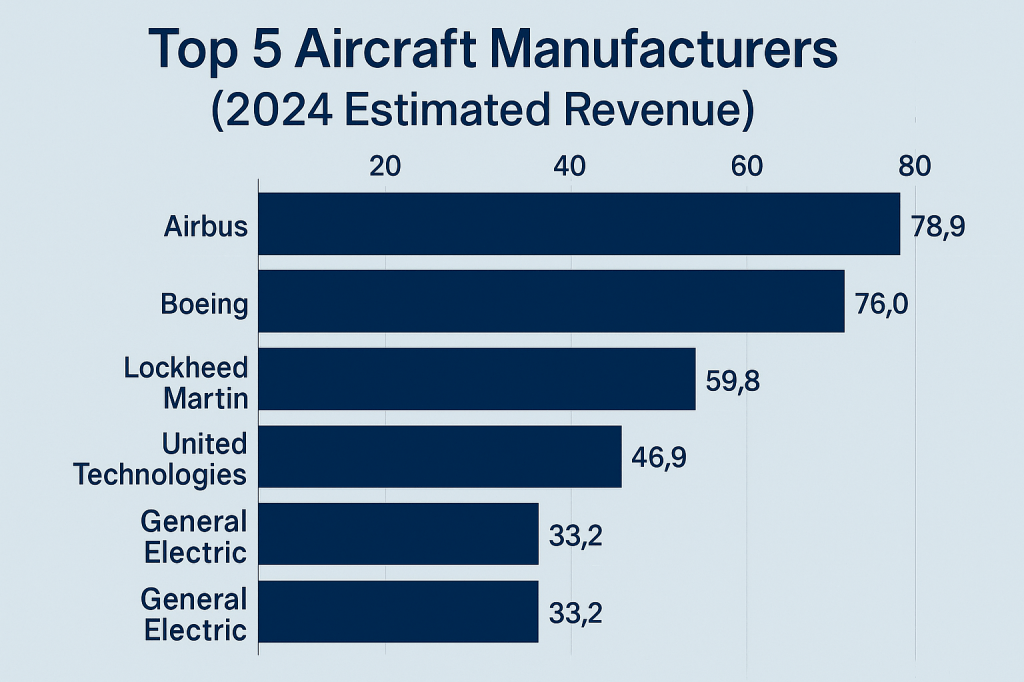
Boeing’s journey ahead will require patience, humility, and a renewed focus on safety and innovation.
Final Thoughts
The story of Boeing is a powerful reminder: even the most iconic companies can fall if they lose sight of their core values.
Boeing taught the world how to fly—but it also taught us how dangerous it can be when profit is placed above people.
For business leaders, entrepreneurs, and students, Boeing’s case is a textbook example of what to do—and what not to do—when building an enduring legacy.

If you found this article valuable, please don’t forget to Like and Subscribe to my blog for more expert insights and updates.

 THE MIND UPGRADE
Leave a comment