Monetary Policy Made Simple

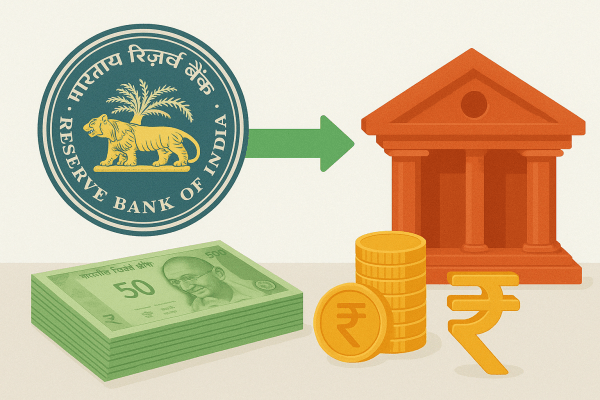
Buying a home is a dream for many, but did you know your EMI can change because of RBI’s decisions? Through Avni’s real-life story, learn how monetary policy, repo rates, and RBI’s interest rate changes directly impact your finances. This easy guide breaks down complex economic concepts into simple, relatable insights for everyone.

12 Simple Ways to Make Your Internet Faster at Home

Struggling with slow internet and endless buffering? Good news—you don’t have to buy a new plan! Discover 12 simple, beginner-friendly ways to speed up your Wi-Fi at home. From smart router placement to using wired connections, these easy tricks can transform your online experience.

Checklist to Compare Term Insurance Plans in India

Securing your family’s future starts with choosing the right term insurance plan. With so many options available, it’s easy to get confused — but it doesn’t have to be! Use this simple checklist to compare coverage, premiums, riders, claim settlement ratios, and more. Protect your loved ones smartly and confidently today.

Term Plan vs Endowment Plan – Which is Better for You?

Choosing between Term Insurance and an Endowment Plan can be confusing, but it all boils down to your goals. Term Plans offer pure protection at a low cost, while Endowment Plans combine insurance with disciplined savings. This blog breaks down both options simply, compares them, and shares a smart way to make the best choice for your future. Read on to find out what suits you best!

Why is Gold So Expensive in India?

Why is gold so expensive in India? From deep-rooted cultural traditions to taxes, imports, and global trends, this blog breaks down the real reasons behind India’s soaring gold prices. Learn how you can still make smart gold purchases for both tradition and investment.

Understanding Repo Rate

Have you ever wondered how the Reserve Bank of India (RBI) controls inflation or manages money in the economy? One important tool it uses is called the Repo Rate. Don’t worry if it sounds complicated – in this article, we’ll break it down into simple words so anyone can understand!

Understanding Cash Reserve Ratio (CRR)

Imagine you run a lemonade stall and keep some money aside before spending on lemons and sugar — that’s what banks do with the Cash Reserve Ratio (CRR). It’s a portion of cash banks must keep with the RBI, not for lending. A lower CRR means banks can lend more, boosting spending and growth, while a higher CRR restricts money flow to control inflation.

Create a website or blog at WordPress.com

Up ↑